
How to Stop Stomach Pains From Anxiety: Tips From Bradford Healthcare Professionals
Have you ever noticed your stomach starts hurting right before a stressful meeting, an important exam, or a difficult conversation? You’re not imagining it. If you’ve been searching for How to Stop Stomach Pains From Anxiety, you’re certainly not alone. Anxiety doesn’t only affect your thoughts and emotions. It can also trigger very real physical symptoms, especially in your digestive system. The connection between your brain and your gut is stronger than many people realize, which is why stress and anxiety can leave you with stomach cramps, nausea, bloating, or digestive discomfort. At TrustyMed Clinic, we help Bradford residents understand both the emotional and physical effects of anxiety so they can find effective, lasting relief and improve their overall well-being.
How to Stop Stomach Pains From Anxiety
If you’re wondering how to stop stomach pains from anxiety, the most effective approach is to calm your body’s stress response while also caring for your digestive system. Anxiety-related stomach pain often improves when you combine relaxation techniques with healthy daily habits. Simple strategies such as practicing slow, deep breathing, staying hydrated, eating smaller, balanced meals, getting regular, gentle exercise, and improving your sleep routine can all help reduce digestive discomfort. It is also important to identify and manage the sources of ongoing stress whenever possible, whether through mindfulness, counseling, or other healthy coping strategies. While occasional stomach discomfort during stressful situations is common, persistent or severe abdominal pain should never be ignored. Stomach pain can sometimes be caused by digestive disorders, infections, or other medical conditions that require evaluation. If your symptoms continue despite stress management, become more severe, or are accompanied by concerning signs such as vomiting, fever, blood in your stool, or unexplained weight loss, it is important to seek medical care. Addressing both your mental well-being and your physical health offers the best opportunity for long-term relief.
Understanding the Connection Between Anxiety and Stomach Pain
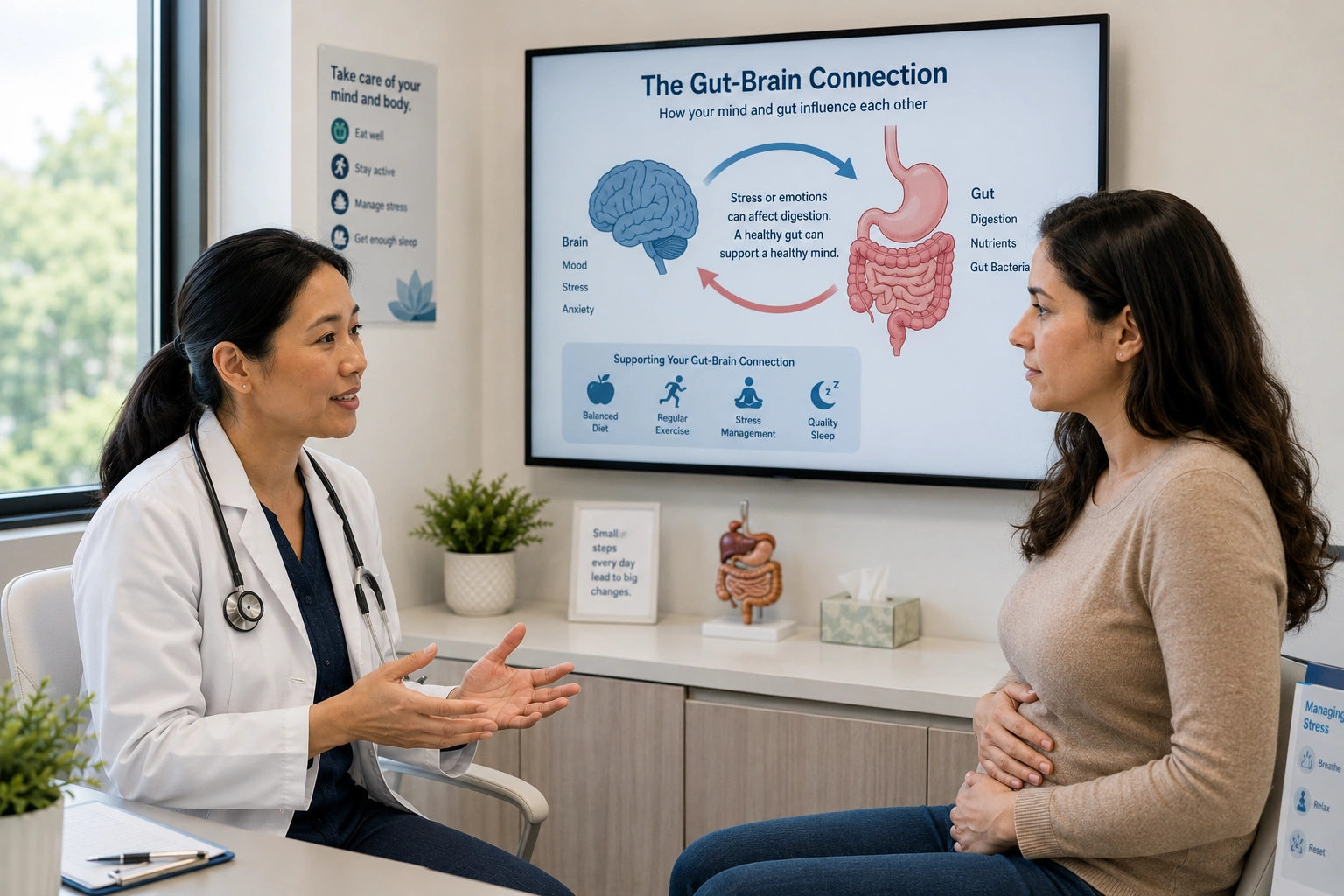
Many people are surprised to learn that anxiety can have a powerful effect on the digestive system. In fact, the gut and the brain communicate constantly through a complex network of nerves, hormones, and chemical signals known as the gut-brain axis.
When you’re under stress, your digestive system often responds almost immediately.
Why Anxiety Affects the Digestive System
When your brain perceives stress or danger, it activates your body’s “fight or flight” response.
During this response:
- Stress hormones are released.
- Digestion slows or changes.
- Blood flow is redirected to your muscles.
- Muscle tension increases throughout the body.
These normal survival responses can also lead to stomach discomfort, especially when stress becomes frequent or long-lasting.
The Gut-Brain Connection
Your digestive tract contains millions of nerve cells that constantly communicate with your brain.
Because of this close connection, emotional stress can quickly affect digestion.
Some people notice stomach discomfort before a stressful event, while others experience digestive symptoms that continue long after the stressful situation has passed.
This explains why anxiety can trigger physical symptoms even when there is no underlying digestive disease.
Common Digestive Symptoms Caused by Anxiety
Anxiety can affect each person differently, but some of the most common digestive symptoms include:
- Stomach pain or cramping
- Nausea
- Bloating
- Indigestion
- Diarrhea
- Constipation
- Loss of appetite
- Feeling full quickly
- Increased gas
These symptoms may come and go depending on your stress level.
Can Anxiety Cause Daily Stomach Pain?
Yes, it can.
If you’re experiencing ongoing stress or living with an anxiety disorder, your digestive system may remain in a heightened state of sensitivity.
This can lead to recurring stomach discomfort that seems to appear without an obvious physical cause.
However, it is important not to assume that every episode of stomach pain is caused by anxiety alone.
Conditions such as acid reflux, irritable bowel syndrome, stomach ulcers, gallbladder disease, food intolerances, or infections can cause similar symptoms.
A proper medical evaluation helps determine whether anxiety is the primary cause or whether another medical condition needs treatment.
Why Early Recognition Matters
Many people try to ignore stomach pain because they assume it is “just stress.”
While anxiety certainly can cause genuine physical discomfort, persistent symptoms deserve attention.
Recognizing the relationship between stress and digestive health early allows you to:
- Develop healthier coping strategies.
- Reduce the frequency of symptoms.
- Improve your quality of life.
- Prevent unnecessary worry.
- Seek medical care when appropriate.
Understanding the connection between your mind and body is the first step toward feeling better and regaining control of your health.
What Helps Anxiety Stomach Pain Go Away?
Anxiety-related stomach pain can be frustrating because it often appears when you’re under pressure and may disappear once the stressful situation has passed. While there is no instant cure, there are several effective ways to calm both your mind and your digestive system. The goal is to reduce your body’s stress response while giving your stomach time to recover.
Practice Deep Breathing
One of the quickest ways to ease anxiety is through slow, controlled breathing.
Deep breathing activates your body’s relaxation response, helping lower your heart rate and reduce muscle tension, including tension in your digestive tract.
Try this simple exercise:
- Inhale slowly through your nose for four seconds.
- Hold your breath for four seconds.
- Exhale gently through your mouth for six seconds.
- Repeat for five to ten minutes.
Many people notice their stomach discomfort begins to ease as their breathing becomes slower and more controlled.
Try Mindfulness and Relaxation Techniques
Anxiety often causes your mind to focus on worst-case scenarios, which can increase physical symptoms.
Practicing mindfulness can help break this cycle.
Helpful techniques include:
- Guided meditation
- Progressive muscle relaxation
- Gentle stretching
- Journaling
- Listening to calming music
Even spending a few quiet minutes each day can make a noticeable difference over time.
Stay Hydrated
Stress and anxiety can sometimes reduce your desire to eat or drink, but dehydration may worsen stomach discomfort.
Aim to drink water consistently throughout the day.
Limiting excessive caffeine and alcohol may also help, as both can irritate the stomach and increase feelings of anxiety in some individuals.
Eat Smaller, Balanced Meals
Large or heavy meals can make an anxious stomach feel worse.
Instead, try eating smaller meals more frequently.
Choose foods that are generally gentle on the digestive system, such as:
- Bananas
- Rice
- Oatmeal
- Toast
- Applesauce
- Yogurt
- Lean proteins
Pay attention to foods that seem to trigger your symptoms and discuss persistent digestive issues with your healthcare provider.
Get Gentle Exercise
Physical activity helps reduce stress hormones while releasing endorphins that naturally improve your mood.
You do not need an intense workout to experience benefits.
Activities such as:
- Walking
- Cycling
- Yoga
- Swimming
- Light stretching
can all help reduce both anxiety and stomach discomfort.
Improve Your Sleep
Poor sleep and anxiety often create a cycle that is difficult to break.
Lack of sleep can increase stress levels, while anxiety can make it harder to fall asleep.
Creating a consistent bedtime routine, limiting screen time before bed, and maintaining a comfortable sleep environment may help improve both your sleep quality and digestive symptoms.
How Do You Know if Stomach Pain Is Caused by Anxiety?
Because many medical conditions can cause abdominal pain, it is important to understand when anxiety is the most likely explanation and when another health issue may be responsible.
Signs It May Be Anxiety Related
Stomach pain is more likely to be linked to anxiety if:
- Symptoms appear during stressful situations.
- Pain improves after the stressful event passes.
- You also experience racing thoughts, nervousness, or panic.
- Medical testing has not identified another digestive condition.
- Symptoms occur alongside muscle tension or rapid heartbeat.
Although these patterns suggest anxiety may play a role, they do not completely rule out other medical conditions.
Symptoms That Suggest Another Medical Condition
Some symptoms deserve prompt medical evaluation because they may indicate something more serious than anxiety.
Watch for:
- Severe or worsening abdominal pain
- Persistent vomiting
- Blood in your stool or vomit
- High fever
- Unexplained weight loss
- Difficulty swallowing
- Ongoing diarrhea or constipation
- Pain that wakes you from sleep
If you experience any of these symptoms, seek medical care rather than assuming anxiety is the cause.
When Medical Evaluation Is Important
If stomach pain continues despite managing stress or begins interfering with your daily life, scheduling a medical evaluation is a wise next step.
A healthcare provider can:
- Review your symptoms.
- Perform a physical examination.
- Recommend appropriate testing if necessary.
- Rule out digestive conditions.
- Discuss treatment options for anxiety if appropriate.
Early evaluation can provide peace of mind and ensure that any underlying medical condition is identified and treated promptly.
Lifestyle Tips for Long-Term Relief
While short-term techniques can help during stressful moments, building healthy daily habits often provides the greatest long-term improvement.
Manage Stress Regularly
You do not have to wait until anxiety becomes overwhelming before taking care of your mental health.
Regular stress management may include:
- Daily mindfulness practice
- Meditation
- Breathing exercises
- Time outdoors
- Hobbies you enjoy
- Spending time with supportive family and friends
Small habits practiced consistently can have a meaningful impact over time.
Maintain Healthy Eating Habits
A balanced diet supports both digestive health and overall well-being.
Try to:
- Eat regular meals.
- Limit highly processed foods.
- Include plenty of fruits and vegetables.
- Drink enough water.
- Avoid skipping meals during stressful days.
Healthy nutrition can help reduce digestive irritation while supporting your body’s ability to manage stress.
Build a Consistent Sleep Routine
Quality sleep allows both your body and your mind to recover.
Aim to:
- Go to bed at the same time each night.
- Wake up on a consistent schedule.
- Avoid large meals immediately before bedtime.
- Reduce caffeine later in the day.
Improving your sleep habits may lessen both anxiety and digestive symptoms.
Seek Emotional Support
Managing anxiety does not have to be something you face alone.
Talking with a trusted friend, family member, counselor, or healthcare professional can help you better understand your stress and develop healthy coping strategies.
Seeking support is a positive step toward improving both your mental and physical health.
When Should You See a Healthcare Provider?
Occasional stomach discomfort during stressful situations is common, but persistent or severe symptoms should always be evaluated by a healthcare professional. While anxiety can cause real physical symptoms, it is important to rule out other medical conditions that may require treatment.
Severe or Persistent Pain
If your stomach pain is intense, continues for several days, or keeps returning despite managing your stress, it is time to seek medical advice. Ongoing abdominal pain is not something you should ignore, even if you believe anxiety is contributing to it.
Blood in Your Stool or Vomit
Blood in your stool or vomit is never considered a normal symptom of anxiety. It may indicate bleeding somewhere in your digestive tract and requires prompt medical attention.
Fever or Unexplained Weight Loss
A fever, unexplained weight loss, or persistent loss of appetite may suggest an infection or another underlying medical condition rather than anxiety alone. These symptoms should always be assessed by a healthcare provider.
Ongoing Digestive Symptoms
If you regularly experience nausea, diarrhea, constipation, bloating, or stomach cramps that interfere with your daily routine, a medical evaluation can help determine whether anxiety is the primary cause or whether another digestive disorder is present.
Anxiety That Affects Daily Life
Sometimes the physical symptoms are only part of the problem. If anxiety is making it difficult to work, attend school, sleep, maintain relationships, or enjoy daily activities, professional support can make a meaningful difference.
Early treatment can improve both your mental well-being and your physical health.
Why Choose TrustyMed Clinic
At TrustyMed Clinic, we understand that physical symptoms and emotional health are closely connected. Our goal is to provide compassionate, patient-centered care that looks beyond individual symptoms to understand the whole person.
As a trusted Medical Clinic Bradford families rely on, we take the time to carefully evaluate ongoing stomach pain, digestive concerns, and anxiety-related symptoms. Rather than simply treating discomfort, we work with you to identify possible underlying causes and recommend the most appropriate next steps for your care.
When you visit our Medical Clinic Bradford, you can expect thoughtful medical assessments, personalized treatment recommendations, and clear guidance to help you better manage both your physical and emotional health. Whether your symptoms are caused by anxiety, a digestive condition, or another medical concern, we are here to support you throughout your healthcare journey.
Patients continue to choose our Medical Clinic Bradford because we combine evidence-based medicine with compassionate care in a welcoming environment. We believe every patient deserves to feel heard, understood, and confident in the care they receive.
Final Thoughts
Learning how to stop stomach pains from anxiety begins with recognizing that the discomfort you feel is real. The connection between your brain and digestive system means that stress and anxiety can produce physical symptoms such as stomach cramps, nausea, bloating, and digestive upset.
Fortunately, many people find relief by combining stress management techniques with healthy lifestyle habits, including regular exercise, balanced nutrition, quality sleep, relaxation exercises, and mindfulness practices. At the same time, it is important to remember that not every episode of stomach pain is caused by anxiety. Persistent, severe, or unusual symptoms should always be evaluated to rule out other medical conditions.
By taking care of both your mental and physical health, you can improve your quality of life and reduce the impact anxiety has on your daily routine.
Find Answers to Your Stomach Pain
If ongoing stomach discomfort or anxiety-related digestive symptoms are affecting your daily life, the healthcare team at TrustyMed Clinic is here to help. Book an appointment now for a comprehensive evaluation, an accurate diagnosis, and a personalized care plan designed to help you feel your best.
Follow us on our social media pages below:
Check out more of our articles below:
- What Are the Symptoms of Seasonal Allergies
- What Do They Test for in Allergy Skin Test
- Allergies vs Cold