
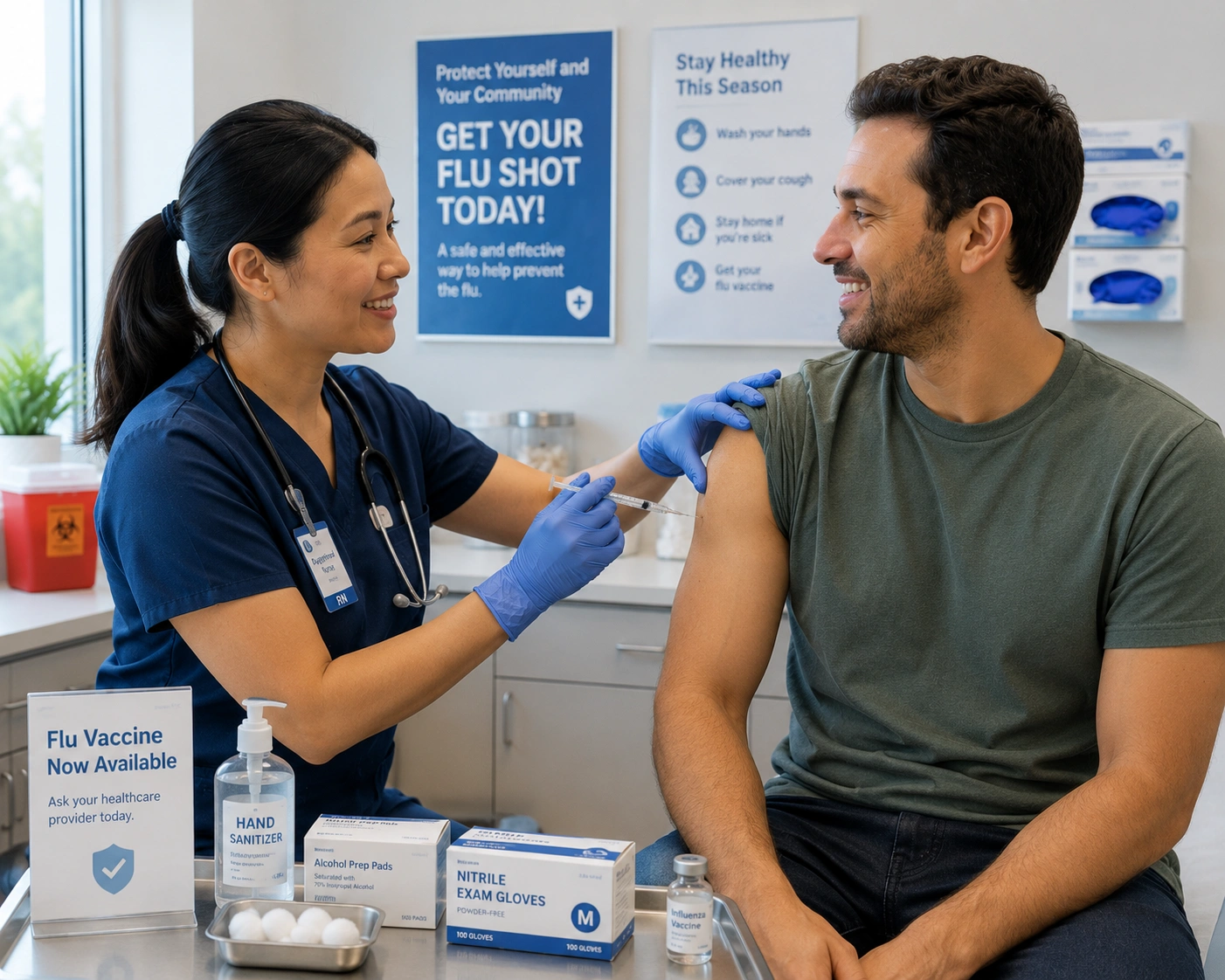
When Should You Get a Flu Shot in Bradford? Best Timing for Protection
Have you ever wondered if getting your flu shot too early or waiting too long could affect how well you’re protected during flu season? It’s a question many people ask every year as cooler weather approaches. If you’ve been searching for when to get a flu shot, you’re already taking an important step toward protecting yourself and the people around you. While the flu vaccine is recommended annually, knowing the best time to receive it can help maximize your protection throughout the season. At TrustyMed Clinic, we help Bradford residents make informed healthcare decisions by providing accurate information and personalized preventive care so they can stay healthier during flu season.
When Should You Get a Flu Shot?
If you’re wondering when should you get a flu shot,, the best time is generally before influenza begins spreading widely in your community, ideally during early fall when the seasonal vaccine becomes available. The flu vaccine takes about two weeks to help your body build protective antibodies, so getting vaccinated before flu activity increases offers the greatest benefit. However, if you miss the early vaccination period, it is still worthwhile to get vaccinated later because influenza viruses often circulate well into the winter and even early spring. Annual vaccination remains important because flu viruses change from year to year, and the protection provided by previous vaccinations gradually decreases over time. Receiving a flu shot each season helps reduce your risk of becoming seriously ill, lowers your chances of hospitalization, and can also help protect vulnerable family members and members of the Bradford community. Even if you’re generally healthy, vaccination remains one of the most effective ways to reduce the spread and impact of seasonal influenza.
Understanding the Flu Vaccine
The flu vaccine has been an important public health tool for many years. Although many people receive it annually, there are still common misconceptions about how it works and why it is recommended every year.
Understanding the basics can help you feel more confident about your vaccination decision.
How Does the Flu Shot Work?
The flu shot works by preparing your immune system to recognize and fight influenza viruses before they have a chance to cause serious illness.
After receiving the vaccine, your immune system begins producing antibodies that can recognize the strains of influenza included in that year’s vaccine.
If you’re later exposed to the virus, these antibodies help your body respond more quickly, reducing the severity of illness or preventing infection altogether.
It is important to understand that the flu shot cannot give you the flu. The injectable flu vaccine does not contain a live influenza virus capable of causing infection.
Some people may experience mild side effects after vaccination, but these are signs that the immune system is responding to the vaccine rather than symptoms of influenza itself.
Why You Need a Flu Shot Every Year
Unlike some vaccines that provide long-term immunity, influenza vaccination is recommended annually for two important reasons.
Flu Viruses Change Every Year
Influenza viruses are constantly evolving through small genetic changes.
Each year, healthcare experts monitor which strains are circulating worldwide and update the seasonal vaccine to provide protection against the most likely viruses.
Because the strains change, last year’s vaccine may not provide enough protection during the current flu season.
Immunity Gradually Decreases
Even if the circulating viruses remain similar, the protection provided by the flu vaccine naturally decreases over time.
Receiving a new flu shot each year helps restore your immune protection before influenza activity increases.
Annual vaccination offers the best opportunity to maintain effective protection throughout flu season.
How Long Does Flu Shot Protection Last?
Most people develop protective antibodies within approximately two weeks after vaccination.
Protection generally lasts throughout the flu season, although the exact duration varies depending on factors such as:
- Your age
- Overall health
- Immune system function
- The match between the vaccine and circulating viruses
Because immunity gradually declines, experts recommend receiving a new vaccine every year instead of relying on previous vaccinations.
Why Timing Matters
Some people worry about getting vaccinated too early because they have heard protection may wear off before flu season ends. Others delay vaccination until they hear about increasing flu cases in the news.
In reality, waiting too long leaves you vulnerable during the period before your body has developed immunity.
Getting vaccinated during early fall provides enough time for your immune system to build protection while still covering the months when influenza activity is typically highest.
Even if you miss the ideal timing, vaccination later in the season is still beneficial because influenza often continues circulating for several months.
At TrustyMed Clinic, we encourage patients to receive their flu vaccine as soon as it becomes available each season so they can reduce their risk of illness and help protect the wider community.
Is October the Best Time to Get a Flu Shot?
Many people wonder whether October is the ideal month to receive their annual flu vaccine. The short answer is that October is often an excellent time for most people, but the best timing can vary slightly depending on your age, health, and when the vaccine becomes available.
The goal is to be protected before influenza begins spreading widely throughout the community while ensuring your immunity lasts through the peak of flu season.
Why Early Fall Is Recommended
Healthcare professionals generally recommend getting vaccinated in early fall because it takes about two weeks for your body to build antibodies after receiving the flu shot.
By getting vaccinated before influenza activity increases, you’re better prepared if you’re exposed to the virus.
Benefits of early fall vaccination include:
- Building protection before flu cases rise.
- Reducing your risk of severe illness.
- Helping protect vulnerable family members.
- Lowering the spread of influenza in the community.
Receiving your vaccine before flu season is one of the simplest ways to protect both yourself and those around you.
Is September Too Early?
Many people ask whether September is too soon for vaccination.
For most healthy adults, receiving a flu shot in September provides effective protection throughout the majority of the flu season.
Certain individuals may even benefit from early vaccination, including:
- Healthcare workers.
- Teachers.
- People with frequent public contact.
- Individuals with chronic medical conditions.
Your healthcare provider can help determine the most appropriate timing based on your personal circumstances.
Is November Too Late?
Not at all.
If you haven’t received your flu vaccine by November, you should still get vaccinated as soon as possible.
Influenza activity often continues throughout the winter months, and many cases occur well after November.
Even vaccination later in the season can:
- Reduce your chances of infection.
- Lower the severity of illness if you become infected.
- Help decrease the spread of influenza.
The best flu shot is the one you actually receive.
Can You Get Vaccinated Later in the Season?
Yes.
Even if flu season has already begun, vaccination continues to provide meaningful protection.
Many people mistakenly believe it’s no longer worthwhile after the first reports of influenza appear. In reality, flu activity often peaks several weeks or even months later.
As long as influenza viruses continue circulating, getting vaccinated remains beneficial.
Who Should Get a Flu Shot Every Year?
Annual influenza vaccination is recommended for nearly everyone aged six months and older unless a healthcare provider advises otherwise.
Some groups benefit even more because they have a higher risk of complications.
Children
Children frequently spread influenza in schools and childcare settings.
Vaccination helps:
- Protect children from serious illness.
- Reduce school absences.
- Lower household transmission.
- Protect infants who may be too young for vaccination.
Older Adults
As people age, their immune systems naturally become less effective.
Older adults have an increased risk of:
- Pneumonia.
- Hospitalization.
- Severe influenza complications.
Annual vaccination provides valuable protection and may reduce the severity of illness if infection occurs.
Pregnant Women
Pregnancy changes the immune system and increases the risk of complications from influenza.
Receiving a flu vaccine during pregnancy helps protect both the mother and the baby during the first few months after birth.
If you’re pregnant and have questions about vaccination, speak with your healthcare provider for personalized guidance.
People With Chronic Medical Conditions
Individuals living with conditions such as:
- Asthma.
- Diabetes.
- Heart disease.
- Chronic lung disease.
- Kidney disease.
may be more likely to experience complications from influenza.
Annual vaccination is especially important for these individuals.
Healthy Adults
Even healthy people can become seriously ill with influenza.
Vaccination helps:
- Reduce missed work or school.
- Lower the chance of spreading influenza to others.
- Decrease the likelihood of severe illness.
- Support overall community health.
Protecting yourself also helps protect those around you.
What to Expect After a Flu Shot
Many people experience no significant side effects after vaccination. If side effects do occur, they are usually mild and temporary.
Common Side Effects
Some people may notice:
- Mild soreness where the shot was given.
- Slight redness or swelling at the injection site.
- Mild fatigue.
- Low-grade fever.
- Muscle aches.
These symptoms typically resolve within one or two days and are a normal sign that your immune system is responding to the vaccine.
When Side Effects Require Medical Attention
Serious reactions are uncommon, but you should seek prompt medical care if you experience:
- Difficulty breathing.
- Swelling of the face or throat.
- Severe rash or hives.
- Persistent high fever.
- Signs of an allergic reaction.
If you have concerns after receiving your vaccination, contacting your healthcare provider can provide reassurance and appropriate guidance.
Tips for a Comfortable Recovery
Most people can continue their normal activities after receiving a flu shot.
If your arm feels sore, you may find it helpful to:
- Move your arm gently throughout the day.
- Stay hydrated.
- Get adequate rest.
- Apply a cool compress to the injection site if needed.
These simple measures can help reduce temporary discomfort while your body builds protection against influenza.
How Else Can You Protect Yourself During Flu Season?
While getting vaccinated is one of the most effective ways to reduce your risk of influenza, it works best when combined with healthy habits that help prevent the spread of viruses. Taking a few simple precautions throughout flu season can protect both you and the people around you.
Wash Your Hands Frequently
Good hand hygiene is one of the easiest and most effective ways to reduce the spread of influenza.
Wash your hands thoroughly with soap and water for at least 20 seconds, especially:
- Before eating or preparing food
- After coughing, sneezing, or blowing your nose
- After using the restroom
- After touching frequently used public surfaces
If soap and water are not available, use an alcohol-based hand sanitizer.
Stay Home When You’re Sick
If you develop flu symptoms, staying home is one of the best ways to protect others.
Avoid going to work, school, or social gatherings until you’ve been fever-free for at least 24 hours without taking fever-reducing medication. Resting at home also gives your body the opportunity to recover more effectively.
Cover Coughs and Sneezes
Respiratory droplets are the primary way influenza spreads.
Reduce the risk of transmission by:
- Covering your mouth and nose with a tissue when coughing or sneezing
- Using your elbow if a tissue is not available
- Throwing used tissues away immediately
- Washing your hands after coughing or sneezing
These simple habits can significantly reduce the spread of germs.
Maintain a Healthy Lifestyle
A healthy immune system plays an important role in protecting you from illness.
Support your overall health by:
- Getting enough sleep each night
- Eating a balanced diet rich in fruits and vegetables
- Staying physically active
- Drinking enough water
- Managing stress whenever possible
While these habits cannot prevent every illness, they can help your body respond more effectively to infections.
Why Choose TrustyMed Clinic
At TrustyMed Clinic, we believe preventive care is one of the most valuable investments you can make in your health. Our goal is not only to treat illness but also to help you avoid it whenever possible through education, vaccinations, and personalized medical guidance.
As a trusted Medical Clinic Bradford families rely on, we provide seasonal flu vaccinations, routine preventive care, and individualized recommendations based on your age, medical history, lifestyle, and risk factors. We take the time to answer your questions, explain your options, and help you make informed healthcare decisions.
When you visit our Medical Clinic Bradford, you’ll receive compassionate, patient-centered care from healthcare professionals who are committed to supporting your long-term well-being. Whether you need your annual flu shot, advice about vaccination timing, or an assessment of flu-like symptoms, we’re here to help.
Patients continue to choose our Medical Clinic Bradford because we combine evidence-based medical care with a welcoming environment where every individual is treated with respect and attention. We are proud to serve the Bradford community by helping patients stay healthy throughout flu season and beyond.
Final Thoughts
If you’ve been wondering when to get a flu shot, the best time is before influenza begins spreading widely in your community, ideally in early fall. Since it takes about two weeks for your body to build immunity after vaccination, planning ahead gives you the best opportunity for protection during the peak of flu season.
Even if you miss the early fall window, it’s important to remember that it’s rarely too late to benefit from vaccination while influenza viruses are still circulating. Combined with good hygiene, healthy lifestyle habits, and staying home when you’re sick, the flu vaccine remains one of the most effective ways to reduce your risk of illness and protect those around you.
Making flu prevention part of your annual healthcare routine is a simple step that can have a meaningful impact on your health, your family, and your community.
Protect Yourself Before Flu Season Peaks
Whether you’re planning your annual vaccination or have questions about the right time to receive it, the team at TrustyMed Clinic is here to help. Book an appointment now to receive your seasonal flu shot, discuss your health concerns, and get personalized guidance to help you stay protected throughout flu season.
Follow us on our social media pages below:
Check out more of our articles below: