How to Get Rid of a Swollen Eye From Allergies Quickly
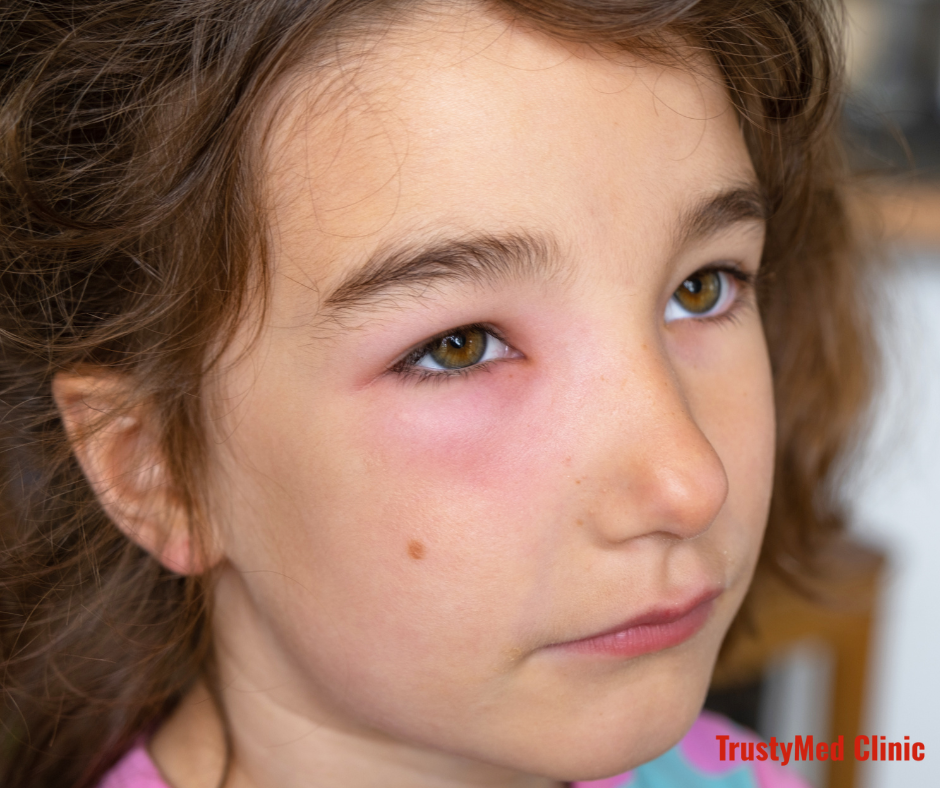
Waking up with a swollen eye can feel alarming, especially when you are not sure what caused it. If it is related to allergies, the swelling may be accompanied by itching, redness, watery eyes, or a gritty sensation. It can affect one or both eyes and may vary in intensity throughout the day.
The good news is that allergic eye swelling is usually not dangerous, but it can be uncomfortable and disruptive. It often happens when your immune system reacts to an allergen such as pollen, dust, pet dander, or mold. This reaction causes inflammation and fluid buildup around the eyes, leading to visible swelling.
In simple terms, your body is overreacting to something harmless, and your eyes are one of the areas where this reaction becomes visible.
Many patients feel anxious when they see swelling around the eye because it can look more serious than it actually is. Understanding what is happening inside your body can help you respond calmly and take the right steps toward relief.
This guide explains what causes swollen eyes from allergies, how to reduce swelling quickly, and how to prevent it from coming back.
Quick Answer
You can reduce swelling from allergies by applying cold compresses, avoiding allergens, taking antihistamines, and using eye drops or nasal sprays as needed to reduce inflammation.
In simple terms, the fastest relief comes from calming the allergic reaction and reducing exposure to whatever triggered it.
Why Do Allergies Cause Swollen Eyes?
Swollen eyes from allergies occur when your immune system releases histamine in response to an allergen. Histamine causes blood vessels to expand and become more permeable, allowing fluid to leak into surrounding tissues.
This leads to:
- Puffiness around the eyes
- Redness and irritation
- Itching or burning sensation
- Watery discharge
The skin around the eyes is very thin and sensitive, which is why swelling becomes noticeable quickly in this area.
In short, your body is trying to protect itself, but the response creates inflammation that affects your eyes.
Common Allergy Triggers for Eye Swelling
Several allergens can trigger swelling around the eyes.
Common causes include:
- Pollen from trees, grass, or weeds
- Dust mites in bedding or furniture
- Pet dander from cats or dogs
- Mold spores in damp environments
- Smoke or strong chemical irritants
- Cosmetic products or skincare ingredients
Sometimes eye swelling occurs after direct contact with an allergen, while at other times it is part of a broader allergic reaction affecting the entire body.
Understanding your triggers is essential for long-term relief.
Symptoms That Often Accompany Swollen Eyes
Allergic eye swelling rarely occurs alone. It is usually part of a cluster of symptoms.
You may also experience:
- Itchy eyes
- Redness in the whites of the eyes
- Excess tearing
- Nasal congestion or a runny nose
- Sneezing
- Puffy eyelids
- Sensitivity to light
These symptoms help confirm that the swelling is related to allergies rather than infection or injury.
How to Get Rid of a Swollen Eye From Allergies Quickly
1. Apply a Cold Compress
A cold compress is one of the fastest ways to reduce swelling.
It works by:
- Constricting blood vessels
- Reducing fluid buildup
- Calming inflammation
You can use a clean cloth soaked in cold water or a cold gel pack wrapped in a towel. Apply it gently to the affected eye for 10 to 15 minutes at a time.
This provides immediate soothing relief and helps reduce visible puffiness.
2. Avoid Rubbing Your Eyes
Rubbing your eyes can make swelling worse by releasing more histamine and increasing irritation.
Instead of rubbing, try:
- Blinking gently
- Using cold compresses
- Rinsing your face with cool water
This helps prevent further inflammation.
3. Use Antihistamines
Antihistamines help block the chemical response that causes allergy symptoms.
They can:
- Reduce itching
- Decrease swelling
- Improve overall comfort
These are available in oral or eye drop form, depending on your symptoms.
In simple terms, antihistamines help calm your immune system’s overreaction.
4. Try Allergy Eye Drops
Lubricating or antihistamine eye drops can provide direct relief.
They work by:
- Soothing irritation
- Reducing redness
- Washing away allergens
This can be especially helpful if symptoms are concentrated around the eyes.
5. Remove the Allergen
If possible, identify and remove the trigger immediately.
For example:
- Wash your face after being outdoors
- Change pillowcases and bedding
- Keep pets away from sleeping areas
- Rinse eyes with clean water or saline solution
Removing the allergen helps stop the reaction.
6. Use a Clean Environment
A clean environment reduces repeated exposure.
Helpful steps include:
- Vacuuming with HEPA filters
- Using air purifiers
- Keeping windows closed during high pollen days
- Reducing dust buildup at home
Cleaner air can significantly reduce the recurrence.
When Swollen Eyes Become More Severe
While allergy-related swelling is usually mild, in some cases, symptoms may become more severe.
Seek medical advice if you notice:
- Severe or worsening swelling
- Pain in or around the eye
- Vision changes
- Thick discharge or signs of infection
- Swelling that does not improve after a few days
These symptoms may indicate a condition other than allergies and require professional evaluation.
Can You Prevent Swollen Eyes From Allergies?
Yes, prevention is possible in many cases. While you cannot completely avoid allergens, you can reduce exposure and strengthen your body’s response.
Preventive strategies include:
- Identifying personal allergy triggers
- Using air purifiers at home
- Wearing sunglasses outdoors during pollen seasons
- Keeping bedding clean and dust-free
- Avoiding known irritants like smoke or strong fragrances
Over time, these habits can significantly reduce the frequency of eye swelling.
Long-Term Management of Allergic Eye Swelling
If swollen eyes happen frequently, long-term management may be needed.
Allergy Testing
Testing helps identify the exact cause of your symptoms. This may include skin or blood tests that measure your immune response to specific allergens.
Prescription Treatments
Stronger medications may be recommended if symptoms persist.
These can include:
- Prescription antihistamines
- Steroid eye drops
- Anti-inflammatory medications
Immunotherapy
Immunotherapy gradually reduces your sensitivity to allergens.
It works by slowly exposing your immune system to controlled amounts of allergens, helping it become less reactive.
This approach can provide long-term improvement for many patients.
Lifestyle Factors That Can Make Symptoms Worse
Certain habits or environmental factors may worsen allergic eye swelling.
These include:
- Poor sleep quality
- High stress levels
- Exposure to smoke or pollution
- Excess screen time causing eye strain
- Not washing hands or face after exposure
While these do not directly cause allergies, they can make symptoms more noticeable or prolonged.
Seasonal vs Year-Round Eye Allergies
Understanding whether your symptoms are seasonal or year-round can help guide treatment.
Seasonal Allergies
- Triggered by pollen
- Worse during spring or fall
- Often improve during the off-season
Year-Round Allergies
- Triggered by indoor allergens
- Persistent throughout the year
- Often related to dust, mold, or pets
Knowing the pattern helps you prepare and manage symptoms more effectively.
Common Mistakes People Make
Avoiding these mistakes can help speed up recovery:
- Rubbing or scratching the eyes
- Ignoring early symptoms
- Using expired eye drops
- Staying exposed to known allergens
- Delaying medical evaluation when symptoms persist
Early action usually leads to faster relief.
When to Seek Medical Help
You should seek medical attention if:
- Swelling becomes severe or painful
- Symptoms affect vision
- There is persistent redness or discharge
- You are unsure whether it is allergy-related
In some cases, visiting an allergy clinic can help confirm the diagnosis and create a targeted treatment plan for long-term relief.
Why Choose TrustyMed Clinic
At TrustyMed Clinic, we understand that eye swelling from allergies can be uncomfortable and concerning. Even when symptoms are mild, they can affect your confidence, comfort, and daily routine.
Our approach focuses on:
- Careful assessment of symptoms
- Identification of specific allergy triggers
- Personalized treatment planning
- Evidence-based care and follow-up support
We aim to provide clear answers and practical solutions so you can manage your symptoms with confidence.
Final Thoughts
Swollen eyes from allergies can be uncomfortable, but they are usually manageable with the right approach. The key is to reduce inflammation, avoid triggers, and support your body’s natural healing response.
With consistent care, most people experience fewer flare-ups and faster recovery over time.
Let’s Help You Find Fast Relief and Long-Term Control
If you are dealing with recurring swollen eyes or other allergy symptoms, you do not have to manage them alone.
The team at TrustyMed Clinic is here to help you understand your triggers, reduce symptoms, and create a personalized plan that works for your lifestyle.
Booking a consultation is an important step toward clearer answers, better symptom control, and long-term relief.
Follow us on our social media pages below:
Check out more of our articles below: