
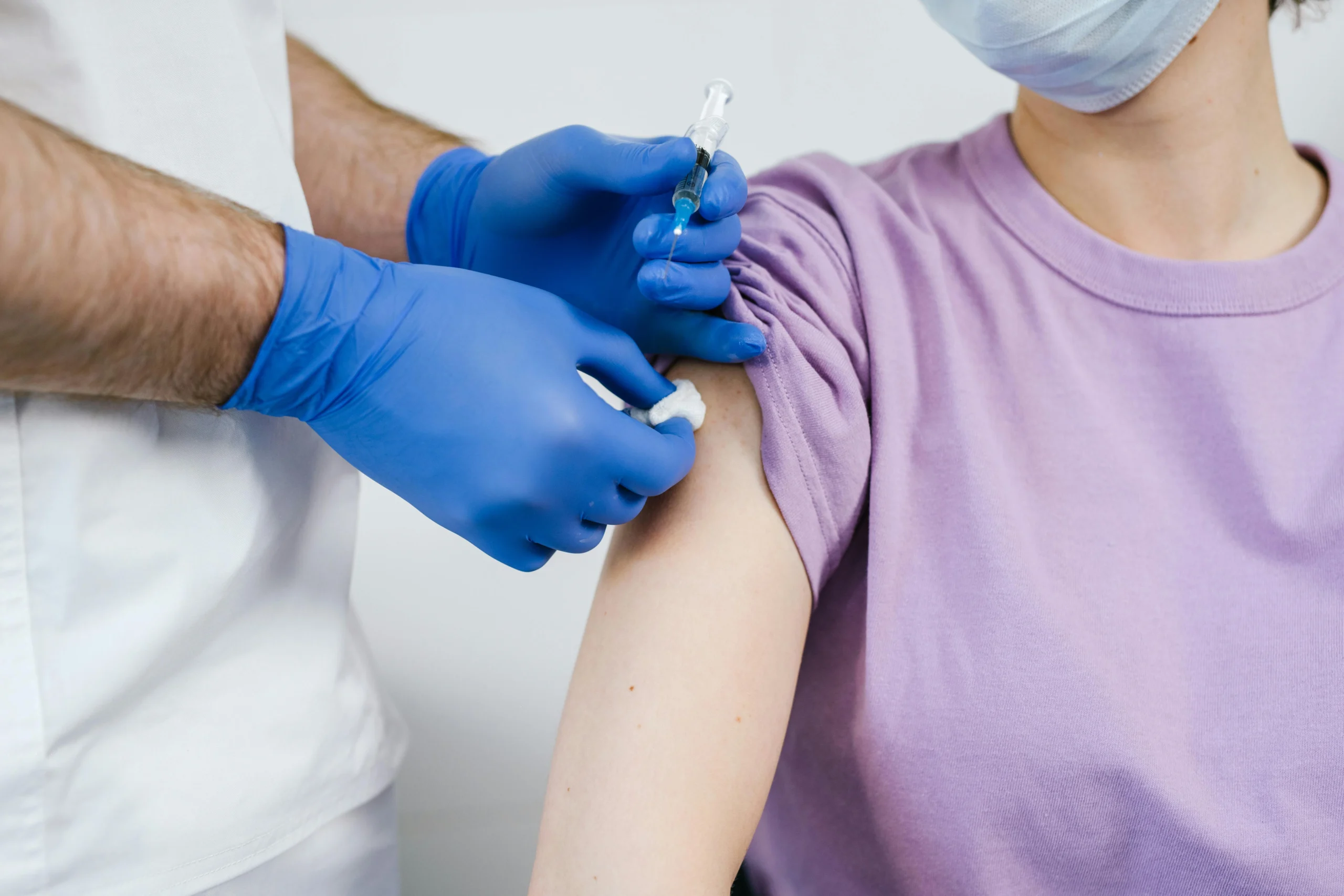
Vaccines for Adults and Seniors in Aurora
Many people think vaccines are only important for children. But did you know that adults and older adults also need regular vaccinations to stay healthy? Many residents ask a common question: Do adults and seniors still need vaccines as they get older? The answer is yes. Staying up to date with Vaccines for Adults and Seniors in Aurora is an important part of preventive healthcare. Vaccines help protect against serious diseases, reduce the risk of complications, and support long-term health. In this guide, we will explain why vaccines matter for adults and seniors, which vaccines are commonly recommended, and how a trusted medical clinic can help you stay protected.
Why Vaccines Are Important for Adults and Seniors?
Vaccines help train the immune system to fight harmful viruses and bacteria. While many people receive vaccines during childhood, protection from some diseases can fade over time. This means adults often need booster shots or additional vaccines later in life.
The principle underlying vaccination is immunological memory. When vaccines introduce antigens (proteins from pathogens or weakened/inactivated pathogens themselves), the immune system mounts a response, producing antibodies and memory cells. These memory B cells and T cells remain in the body for years, providing rapid, robust responses if the actual pathogen is encountered. This adaptive immunity is the cornerstone of vaccine protection.
However, immunological memory is not permanent for all vaccines. Antibody levels wane over time for some diseases, and the magnitude of decline varies by vaccine type, individual immune characteristics, and other factors. This waning immunity necessitates booster doses to restore protective antibody levels. Examples include tetanus, where antibody levels decrease over approximately 10 years, and pertussis, where protection wanes within several years of vaccination.
As people age, the immune system naturally becomes weaker. This makes older adults more vulnerable to infections and serious illness. Vaccines help strengthen the body’s defense against these risks. The phenomenon of immunosenescence, age-related decline in immune function, affects both innate and adaptive immunity. Changes include reduced T cell diversity and function, decreased antibody responses to new antigens, chronic low-grade inflammation (“inflammaging”), and impaired immune cell signaling.
These changes mean that older adults not only face a higher risk of infection but also experience more severe disease manifestations and complications when infections occur. Additionally, vaccine responses may be reduced in elderly individuals, sometimes necessitating higher antigen doses or adjuvanted formulations specifically designed for older populations.
For seniors, especially, vaccines can prevent complications that may lead to hospitalization or long recovery times. Staying current with recommended vaccinations is a simple but powerful way to maintain good health. Vaccine-preventable diseases cause significant morbidity and mortality in older adults. Influenza and pneumococcal disease alone are responsible for thousands of hospitalizations and deaths annually among seniors, many of which could be prevented through vaccination.
Beyond preventing acute illness, vaccination preserves functional independence in elderly populations. Serious infections can trigger functional decline, loss of independence, need for long-term care, and reduced quality of life. Preventing these infections through vaccination helps seniors maintain their health and autonomy.
How Vaccines Protect Your Health
Vaccines protect both individuals and communities. When enough people are vaccinated, the spread of disease becomes much less likely. This concept, known as herd immunity or community immunity, occurs when a sufficient proportion of a population is immune to an infectious disease, making disease transmission unlikely even among susceptible individuals.
Herd immunity thresholds vary by disease based on transmissibility. Highly contagious diseases like measles require approximately 95 percent population immunity to prevent outbreaks, while less transmissible diseases require lower thresholds. When herd immunity is achieved, even individuals who cannot be vaccinated (due to medical contraindications, immunocompromise, or age) receive indirect protection.
Vaccines offer several important benefits:
They help prevent serious illnesses – Vaccination significantly reduces the incidence of vaccine-preventable diseases. The success of vaccination programs is evident in the near-elimination of diseases like polio, measles, and diphtheria in countries with high vaccine coverage. Diseases that were once common causes of childhood death are now rare.
They reduce the risk of complications from infections – Even when vaccines do not completely prevent infection (as can occur when immunity wanes or against variant strains), they typically reduce disease severity and complications. For example, influenza vaccination reduces the risk of severe outcomes, including pneumonia, hospitalization, intensive care admission, and death, even when it does not prevent all infections.
They lower the chances of hospitalization – Multiple studies demonstrate that vaccinated individuals who develop vaccine-preventable diseases have substantially reduced hospitalization rates compared to unvaccinated individuals. This is particularly important for elderly and immunocompromised populations at higher risk of severe disease.
They help protect family members and vulnerable individuals – Vaccinating adults protects vulnerable family members who may be too young, too old, or too immunocompromised to receive certain vaccines or mount adequate vaccine responses. Pregnant women who receive the pertussis vaccine protect their newborns through transplacental antibody transfer. Adults vaccinated against influenza reduce transmission to elderly parents or immunocompromised relatives.
Even if someone does get sick after vaccination, the illness is often much milder. Breakthrough infections in vaccinated individuals typically involve fewer symptoms, shorter duration, lower viral loads, and reduced transmission to others. The concept of “disease modification”, vaccines reducing severity even when they do not prevent infection entirely, is increasingly recognized as an important vaccine benefit.
Vaccines also help protect people with weaker immune systems, including seniors and individuals with chronic health conditions. Immunocompromised individuals may not mount adequate responses to vaccination themselves, making them dependent on community immunity for protection. Additionally, because their immune systems are compromised, they face a higher risk of severe complications if infected, making the protective effect of community vaccination even more crucial.
The societal benefits of vaccination extend beyond individual health to include reduced healthcare costs, decreased work and school absenteeism, prevention of disability, maintenance of healthcare system capacity during outbreaks, and economic productivity preservation.
Common Vaccines for Adults
Many adults need regular vaccines to maintain protection from certain diseases. A Doctor or healthcare provider can recommend the best vaccines based on age, health history, and lifestyle. Adult vaccination schedules are developed by organizations like the Advisory Committee on Immunization Practices (ACIP) in the United States and the National Advisory Committee on Immunization (NACI) in Canada, based on a comprehensive review of disease epidemiology, vaccine efficacy and safety data, and cost-effectiveness analyses.
Some common vaccines for adults include the following.
Flu Vaccine
The influenza vaccine is recommended every year. Flu viruses change over time, which means new vaccines are developed each season. Influenza viruses undergo two types of genetic changes: antigenic drift (minor mutations in surface proteins that occur continuously) and antigenic shift (major changes from reassortment of viral genetic segments, potentially causing pandemics).
Because of antigenic drift, the influenza vaccine composition is updated annually based on global surveillance data predicting which virus strains will circulate in the upcoming season. This is why annual vaccination is necessary; last year’s vaccine may not protect against this year’s strains.
Adults who receive the flu vaccine reduce their chances of severe illness and complications. Influenza in adults can cause primary influenza pneumonia, secondary bacterial pneumonia, exacerbation of chronic medical conditions (asthma, chronic obstructive pulmonary disease, heart failure, diabetes), myocarditis or pericarditis, and rarely, neurologic complications.
High-dose and adjuvanted influenza vaccines are available specifically for adults 65 and older to compensate for reduced immune responses in this age group. These formulations contain four times the antigen of standard vaccines or include adjuvants that enhance immune response.
Influenza vaccination is particularly important for adults with chronic medical conditions, including cardiovascular disease, pulmonary disease, diabetes, kidney disease, liver disease, neurologic conditions, and immunosuppression, as these conditions increase the risk of severe influenza complications.
Tetanus Booster
Tetanus vaccines are usually given every ten years. Tetanus bacteria can enter the body through cuts or injuries, making booster shots important for continued protection. Clostridium tetani, the bacterium causing tetanus, is ubiquitous in soil and animal feces. The organism produces tetanospasmin, a neurotoxin that causes the characteristic muscle spasms and rigidity of tetanus.
Tetanus is often fatal, with mortality rates of 10 to 20 percent even with modern intensive care. There is no herd immunity for tetanus because it is not transmitted person-to-person. Each individual must be vaccinated to be protected.
Many tetanus vaccines also protect against diphtheria and pertussis. The Tdap vaccine (tetanus, diphtheria, acellular pertussis) is recommended for all adults who have not previously received it, with subsequent Td (tetanus, diphtheria) boosters every 10 years. Tdap is particularly important for adults who have contact with infants, as it helps prevent pertussis (whooping cough) transmission to vulnerable newborns.
Adults with inadequate vaccination history or uncertain status should receive a complete primary series of tetanus-containing vaccines. Wound management may require a tetanus booster if more than 5 years have elapsed since the last dose, particularly for contaminated or deep wounds.
COVID-Related Vaccines and Boosters
COVID vaccines and booster doses help reduce the risk of severe illness from coronavirus infections. Healthcare providers recommend boosters based on age and risk level. The SARS-CoV-2 virus, causing COVID-19, emerged in late 2019 and led to a global pandemic, causing millions of deaths. Vaccines were developed at unprecedented speed through Operation Warp Speed and similar international efforts.
COVID-19 vaccines utilize various platforms, including mRNA technology (Pfizer-BioNTech, Moderna), viral vector (AstraZeneca, Johnson & Johnson), and protein subunit (Novavax) approaches. mRNA vaccines represent a novel technology that instructs human cells to produce the SARS-CoV-2 spike protein, triggering immune responses without live virus exposure.
COVID-19 vaccines have demonstrated remarkable efficacy in preventing severe disease, hospitalization, and death. While protection against infection wanes over time and variants emerge with some immune evasion, vaccines continue providing strong protection against severe outcomes.
Booster doses are recommended because antibody levels decline over months following the primary vaccination series, and viral variants with mutations in the spike protein partially evade immunity from earlier vaccine formulations. Updated bivalent and monovalent boosters targeting circulating variants improve protection.
Recommendations for booster timing and number vary by age, immunocompromise status, and previous infection history. Older adults and immunocompromised individuals may benefit from additional booster doses beyond those recommended for the general population.
Hepatitis Vaccines
Hepatitis A and Hepatitis B vaccines may be recommended for certain adults depending on lifestyle, travel plans, or medical risk factors. These vaccines protect against viral hepatitis, inflammation of the liver caused by hepatitis viruses.
Hepatitis A virus is transmitted through the fecal-oral route via contaminated food or water. It causes acute illness with jaundice, fatigue, and gastrointestinal symptoms, but does not cause chronic infection. The vaccine is recommended for travelers to endemic areas, men who have sex with men, people who use injection drugs, people with chronic liver disease, and people experiencing homelessness.
Hepatitis B virus is transmitted through blood and body fluids via sexual contact, injection drug use, or occupational exposure. It can cause both acute and chronic infection, with chronic hepatitis B leading to cirrhosis and liver cancer. The vaccine is recommended for healthcare workers, people with multiple sexual partners, people who inject drugs, people with chronic liver disease or kidney disease, and people living with someone with hepatitis B.
Combination vaccines protecting against both hepatitis A and B are available, reducing the number of required injections.
HPV Vaccine
The HPV vaccine helps protect against certain cancers and infections caused by the human papillomavirus. It may be recommended for younger adults who did not receive it earlier. Human papillomavirus includes over 100 related viruses, with certain high-risk types (particularly HPV 16 and 18) causing most cervical cancers, as well as oropharyngeal, anal, penile, vulvar, and vaginal cancers.
The current 9-valent vaccine (Gardasil 9) protects against nine HPV types, including the two high-risk types causing 70 percent of cervical cancers and five additional high-risk types causing another 15 to 20 percent, plus two types causing most genital warts.
HPV vaccination is routinely recommended for adolescents ages 11 to 12, but catch-up vaccination is recommended through age 26 for those not previously vaccinated. Vaccination may be considered for adults aged 27 to 45 who were not previously vaccinated, though the benefit is reduced in this age group because most people have already been exposed to HPV.
The vaccine is most effective when given before sexual debut and HPV exposure. It does not treat existing HPV infections but prevents new infections with vaccine types.
Important Vaccines for Seniors
As people grow older, some diseases become more dangerous. Vaccines for seniors help reduce the risk of severe illness and complications. The immunosenescence affecting elderly populations makes vaccine-preventable diseases particularly threatening in this demographic.
Doctors often recommend the following vaccines for older adults.
Shingles Vaccine
Shingles is a painful rash caused by the same virus that causes chickenpox. The shingles vaccine helps prevent the condition and reduces the risk of long-term nerve pain. After a chickenpox infection (usually in childhood), the varicella-zoster virus remains dormant in the nerve root ganglia. Decades later, particularly when immunity wanes with aging or immunosuppression, the virus can reactivate, traveling along sensory nerves to the skin and causing shingles (herpes zoster).
Shingles presents as a painful, vesicular rash in a dermatomal distribution (following the pattern of a single nerve). The pain can be severe and debilitating. The most serious complication is postherpetic neuralgia (PHN), persistent nerve pain lasting months to years after the rash resolves. PHN occurs in approximately 10 to 18 percent of shingles cases and is more common in older adults.
Other complications include vision loss (if the ophthalmic division of the trigeminal nerve is involved), bacterial superinfection of lesions, and, rarely, neurologic complications like encephalitis or stroke.
This vaccine is usually recommended for adults over age 50. The recombinant zoster vaccine (Shingrix) is the preferred vaccine, administered as a two-dose series. It is over 90 percent effective at preventing shingles and postherpetic neuralgia, with efficacy remaining high even in adults over age 70.
Shingrix is recommended even for adults who previously had shingles or received the older live zoster vaccine (Zostavax), as it provides superior protection. The vaccine is given regardless of a history of chickenpox, as most adults have been infected even if they do not recall having chickenpox.
Pneumococcal Vaccine
Pneumococcal infections can cause pneumonia, bloodstream infections, and meningitis. Seniors are at higher risk for these illnesses. Streptococcus pneumoniae (pneumococcus) is a bacterium with over 90 serotypes identified by differences in capsular polysaccharides. The capsule is the primary virulence factor, preventing phagocytosis.
Pneumococcal disease includes invasive disease (bacteremia, meningitis) and non-invasive disease (pneumonia, otitis media, sinusitis). Invasive pneumococcal disease carries substantial mortality, particularly in elderly and immunocompromised individuals.
The pneumococcal vaccine protects against several types of bacteria that cause these infections. Two types of pneumococcal vaccines exist: pneumococcal conjugate vaccines (PCV13, PCV15, PCV20) and pneumococcal polysaccharide vaccine (PPSV23).
Conjugate vaccines link polysaccharides to protein carriers, inducing stronger and longer-lasting immune responses, including T-cell-dependent immunity and immunologic memory. Polysaccharide vaccines induce primarily B-cell responses without immunologic memory.
Current recommendations for adults 65 and older include either a single dose of PCV20 or PCV15 followed by PPSV23 one year later. This sequential approach provides broader serotype coverage. Adults with certain immunocompromising conditions or cochlear implants may need earlier or additional doses.
Pneumococcal vaccination has significantly reduced invasive pneumococcal disease incidence in vaccinated populations and provided herd immunity benefits through reduced nasopharyngeal colonization and transmission.
Annual Flu Vaccine
Older adults are more likely to develop serious complications from the flu. Getting the flu vaccine each year helps protect seniors from severe illness. As discussed earlier, influenza poses particular risks for elderly populations due to immunosenescence, higher prevalence of chronic medical conditions, and reduced physiologic reserve.
Influenza causes approximately 12,000 to 61,000 deaths annually in the United States, with the majority occurring in adults 65 and older. Hospitalizations for influenza are concentrated in this age group, and influenza can trigger acute exacerbations of underlying chronic diseases.
High-dose and adjuvanted formulations specifically designed for older adults improve immune responses and clinical protection compared to standard-dose vaccines in this population. Studies demonstrate the superior efficacy of these enhanced vaccines in preventing influenza-related hospitalizations and deaths.
Optimal timing for influenza vaccination is generally early fall (September through October in the Northern Hemisphere) to ensure protection throughout the influenza season while minimizing potential waning before season’s end. However, vaccination later in the season is still beneficial and recommended.
Updated Booster Vaccines
Depending on individual health conditions, doctors may recommend booster doses for certain vaccines. These boosters help maintain strong immunity. Beyond the routine tetanus and influenza boosters, other vaccines may require boosters in specific circumstances.
COVID-19 boosters, as discussed, are recommended periodically, with frequency depending on age and risk factors. Pneumococcal boosters may be needed for immunocompromised individuals. Hepatitis A and B antibody levels can be checked in certain high-risk individuals, with boosters given if titers are inadequate.
For travelers, booster doses may be needed for vaccines like typhoid or yellow fever, depending on the time since initial vaccination and continued risk. Healthcare workers may require periodic assessment of immunity to measles, mumps, rubella, and varicella, with boosters as needed.
Immunocompromised individuals often require modified vaccination schedules with additional doses to achieve protective immunity and periodic boosters to maintain protection.
When Adults Should Update Their Vaccines
Certain life events may increase the need for updated vaccinations. These life transitions often change risk profiles or expose individuals to new infectious disease risks.
For example, adults should review their vaccination status when they:
Move to a new country or region – Different geographic areas have different endemic diseases. Moving to regions with endemic diseases not present in your previous location necessitates new vaccinations. For example, moving to areas with endemic yellow fever, Japanese encephalitis, or meningococcal disease requires appropriate vaccines.
Additionally, routine vaccination recommendations vary internationally. Ensuring you have received the standard vaccines in your new country of residence is important for disease prevention and may be required for school attendance, employment, or residency status.
Start a new job in healthcare or public services – Healthcare workers face occupational exposure to infectious diseases and must be vaccinated to protect themselves and their patients. Required vaccines typically include hepatitis B, measles-mumps-rubella, varicella, influenza (annually), and pertussis.
Other occupations with specific vaccine requirements include laboratory workers (additional vaccines based on organisms handled), military personnel (comprehensive vaccination including anthrax and others based on deployment locations), teachers and childcare workers (measles, mumps, rubella, varicella, pertussis), and emergency responders.
Plan international travel – Travel medicine consultations should occur 4 to 6 weeks before departure to allow time for vaccine series completion. Required vaccines depend on destinations, planned activities, and duration of stay.
Common travel vaccines include hepatitis A and B, typhoid, yellow fever (required for entry to some countries), Japanese encephalitis, rabies (for high-risk travelers), and meningococcal vaccine (required for pilgrims to Mecca).
Routine vaccines should also be up to date before travel, as diseases rare in North America may be common in other regions.
Develop chronic health conditions – New diagnoses of conditions affecting immunity necessitate vaccine review. Diabetes, chronic kidney disease, chronic liver disease, chronic heart or lung disease, and functional or anatomic asplenia all increase the risk of certain infections and warrant additional vaccinations.
Immunosuppressive therapies for autoimmune diseases, cancers, or organ transplantation require comprehensive vaccination before therapy initiation when possible, as live vaccines are contraindicated once immunosuppression begins, and vaccine responses are reduced during immunosuppression.
Become caregivers for elderly relatives – Adults providing care for elderly or immunocompromised individuals should ensure their vaccinations are current to avoid transmitting infections to vulnerable care recipients. Pertussis, influenza, and COVID-19 vaccines are particularly important for caregivers.
A healthcare provider can review your medical history and recommend vaccines that best fit your situation. Comprehensive vaccine assessments consider age, occupation, medical conditions, medications, planned travel, household exposures, and previous vaccination history to develop individualized recommendations.
Vaccine Safety and Side Effects
Vaccines go through extensive testing before they become available to the public. Health authorities carefully monitor vaccines to ensure they remain safe and effective. The vaccine development and approval process includes multiple phases of clinical trials assessing safety and efficacy in progressively larger populations.
Phase 1 trials evaluate safety in small numbers of healthy volunteers. Phase 2 trials expand to larger groups to assess immunogenicity and optimal dosing. Phase 3 trials involve thousands of participants to definitively establish efficacy and identify less common adverse events. Only after demonstrating safety and efficacy through this rigorous process are vaccines approved by regulatory agencies like the FDA or Health Canada.
Post-licensure surveillance continues monitoring vaccine safety through systems like the Vaccine Adverse Event Reporting System (VAERS), Vaccine Safety Datalink, and similar programs globally. These systems detect rare adverse events that might not have been apparent in pre-licensure trials.
Most vaccines cause only mild side effects, which may include:
Soreness at the injection site – Local reactions, including pain, redness, and swelling at the injection site, are common and result from the immune response to injected antigens. These reactions are generally mild and resolve within days.
Mild fever – Low-grade fever occurs in a minority of vaccine recipients as part of the immune response activation. This typically resolves within 24 to 48 hours and can be managed with acetaminophen or ibuprofen if bothersome.
Fatigue for a short time – Malaise and fatigue can occur as the immune system responds to vaccination, similar to how people feel during mild illness. This is temporary and typically resolves within a day or two.
These symptoms usually disappear within a day or two. They actually indicate that the vaccine is working; the immune system is mounting a response to the vaccine antigens.
Serious side effects are very rare. True severe allergic reactions (anaphylaxis) occur at rates of approximately 1 per million doses for most vaccines. This is why vaccination providers are trained to recognize and treat anaphylaxis and why patients are observed for 15 to 30 minutes after vaccination.
Other serious adverse events are extraordinarily rare and must be distinguished from coincidental events that happen to occur temporally after vaccination but are not causally related. Extensive epidemiologic studies have examined potential vaccine safety concerns and repeatedly confirmed that vaccines are among the safest medical interventions.
Healthcare providers monitor patients after vaccination and can answer questions about any concerns. Patients should report any unusual or severe symptoms following vaccination, though in most cases, reassurance about the normalcy of minor reactions is all that is needed.
Contraindications to vaccination are limited and include severe allergic reaction to a previous dose of the vaccine or vaccine component, and for live vaccines, severe immunocompromise or pregnancy. Minor illnesses are not contraindications; vaccination can proceed in people with mild upper respiratory infections or other minor illnesses.
How a Medical Clinic Helps With Vaccinations
Visiting a medical clinic ensures that vaccines are given safely and according to recommended guidelines. Proper vaccine administration involves more than simply giving an injection; it requires comprehensive assessment, appropriate vaccine selection and handling, correct administration technique, monitoring, and documentation.
A healthcare provider typically performs several steps before administering a vaccine.
First, they review your medical history and vaccination records – This helps determine which vaccines you may need. Comprehensive vaccination history includes dates of previous vaccines, documented reactions to prior vaccines, chronic medical conditions, current medications (particularly immunosuppressants), allergies, pregnancy status, and upcoming travel or life changes affecting risk.
Reviewing immunization records identifies missing vaccines, overdue boosters, and vaccines that should not be repeated if already given. Electronic immunization registries facilitate this process by maintaining centralized vaccination records accessible to healthcare providers.
Next, the doctor explains the purpose of the vaccine and answers any questions you may have – Informed consent requires that patients understand what they are being vaccinated against, why the vaccine is recommended, potential benefits and risks, and alternatives to vaccination.
Healthcare providers should use teach-back methods to ensure understanding, provide written vaccine information statements (VIS), address concerns and misconceptions, and document the informed consent discussion.
Finally, the vaccine is administered safely, and your records are updated to track future booster requirements – Proper vaccine administration includes verifying the correct vaccine, dose, and route for the specific patient, following proper storage and handling (cold chain maintenance), using appropriate injection technique (intramuscular vs. subcutaneous, correct needle length, anatomic site), observing the patient for immediate reactions, and documenting administration including date, manufacturer, lot number, and administration site.
Medical clinics also provide professional guidance if you experience any side effects or have questions after vaccination. Patients should know whom to contact with concerns and when to seek emergency care for severe reactions (though these are exceedingly rare).
Vaccine administration by healthcare professionals ensures adherence to evidence-based schedules, appropriate timing between vaccine doses, and with respect to immunosuppressive therapies, and coordination of multiple vaccines that can safely be given simultaneously.
Vaccines Available at Medical Clinics in Aurora
Many healthcare providers offer a variety of adult and senior vaccination services. Comprehensive primary care clinics stock commonly recommended adult vaccines and can order specialty vaccines as needed.
Local clinics can provide:
Flu vaccines – Annual influenza vaccines are typically available beginning in early fall and continue throughout flu season. Clinics often stock both standard-dose and high-dose formulations to serve adult and senior populations optimally.
Shingles vaccines – The two-dose recombinant zoster vaccine series is typically available at medical clinics, though some pharmacies also provide this vaccine.
Pneumococcal vaccines – Both conjugate and polysaccharide pneumococcal vaccines are stocked at primary care clinics serving adult and senior populations.
Tetanus boosters – Td and Tdap vaccines for tetanus, diphtheria, and pertussis protection are standard vaccines available at all primary care clinics.
Travel-related vaccines – Clinics offering travel medicine services stock or can obtain vaccines for hepatitis A and B, typhoid, yellow fever (which requires certified providers), Japanese encephalitis, rabies, and meningococcal disease. Comprehensive travel medicine consultations provide destination-specific recommendations.
Medical professionals can also review your immunization history and recommend vaccines that fit your personal health needs. Personalized vaccine planning considers your age-appropriate routine vaccines, catch-up vaccines for any missed or overdue immunizations, vaccines indicated by medical conditions or medications, occupational vaccines, and lifestyle-based vaccines (travel, household exposures).
Receiving vaccinations at a trusted medical clinic ensures accurate records and safe medical care. Documentation in electronic medical records and immunization registries ensures vaccines are tracked, and booster reminders are issued at appropriate intervals. Professional administration minimizes risks of adverse events and ensures immediate access to treatment in the rare event of severe reactions.
Benefits of Staying Up to Date With Vaccines
Keeping your vaccines current offers many long-term health benefits. The value of vaccination extends across individual health, family protection, community health, and healthcare system sustainability.
First, vaccines reduce the risk of severe infections and complications – This helps maintain a higher quality of life as you age. Preventing infectious diseases preserves functional status, cognitive function, and independence in elderly populations. Each serious infection in an older adult risks triggering functional decline, falls, delirium, or the need for institutional care.
The cumulative benefit of preventing multiple vaccine-preventable diseases over a lifetime is substantial. Adults who maintain current vaccinations experience fewer acute illnesses, hospitalizations, and disease complications, contributing to healthier aging trajectories.
Second, vaccinations protect the people around you – When individuals are vaccinated, diseases are less likely to spread in communities. This is particularly important for protecting vulnerable individuals who cannot be vaccinated or who do not respond well to vaccines due to immunocompromise.
Grandparents who are vaccinated against pertussis and influenza protect their infant grandchildren who are too young to be fully vaccinated. Adults living with immunocompromised family members protect them by reducing household disease transmission risk.
Community vaccination reduces overall disease burden, protecting both vaccinated and unvaccinated individuals through herd immunity. This population-level benefit of vaccination is one of its most important features.
Third, vaccines help prevent medical emergencies and hospital visits – Healthcare utilization is substantially reduced through vaccination. Preventing influenza alone saves thousands of emergency department visits, hospitalizations, and intensive care admissions annually. This preserves healthcare capacity for other needs and reduces individual and societal healthcare costs.
For elderly individuals, avoiding hospitalization is particularly valuable, as hospitalization carries risks of healthcare-associated infections, delirium, functional decline, and iatrogenic complications. Keeping seniors healthy and at home through disease prevention improves outcomes.
Finally, staying current with vaccines gives you peace of mind knowing you are taking proactive steps to protect your health – Beyond the objective health benefits, vaccination provides psychological comfort that you have taken responsible action to protect yourself and your loved ones from preventable diseases.
This proactive approach to health exemplifies preventive medicine principles that are far more effective and less costly than treating diseases after they occur. Vaccination represents one of the most impactful preventive health interventions available.
Why Choose TrustyMed Clinic in Aurora
When it comes to preventive healthcare, choosing a reliable clinic makes a big difference. TrustyMed Clinic’s Medical Clinic Aurora offers comprehensive healthcare services for adults and seniors.
Our experienced medical team provides personalized guidance on recommended vaccines and preventive care. Doctors review each patient’s health history and ensure vaccinations are given safely and at the right time.
The clinic focuses on patient comfort, accurate medical advice, and long-term health support.
Whether you need a routine vaccine, a booster shot, or a health consultation, their team is ready to help.
Bottom Line
Vaccines are not just for children. Adults and seniors also need protection against serious illnesses throughout their lives. Staying updated with Vaccines for Adults and Seniors in Aurora is an important step toward maintaining long-term health.
Vaccines help prevent infections, reduce complications, and protect both individuals and communities. By consulting with a healthcare professional, you can ensure your vaccination schedule matches your age, lifestyle, and medical needs.
If you want expert guidance and safe vaccination services, visit TrustyMed Clinic’s Medical Clinic Aurora. Our experienced team is committed to helping patients stay healthy through preventive care and professional medical support. To protect your health and stay up to date with recommended vaccines, book an appointment today.
Follow us on our social media pages below: