How Long Should Botox Last? What to Expect From Your Results
Have you ever looked in the mirror a few weeks after Botox and wondered if your results are fading too quickly or if this is completely normal? This concern is remarkably common and reflects the natural variation in how individuals respond to botulinum toxin treatments. The aesthetic medicine field has accumulated decades of clinical data demonstrating that while general patterns exist, individual responses to Botox can vary significantly based on multiple physiologic, anatomic, and lifestyle factors.
We hear this question often from clients in Aurora who want to make sure they are getting the most out of their treatment. Botox is one of the most popular aesthetic treatments today, but there is still a lot of confusion around how long it should actually last. The global market for botulinum toxin procedures exceeds millions of treatments annually, yet misconceptions persist about realistic expectations, duration of effect, factors affecting longevity, appropriate treatment intervals, and the distinction between diminishing results versus treatment failure.
Some people expect it to last forever, while others worry when they start seeing movement return. The truth is somewhere in between, and understanding what is normal can help you feel more confident about your results. Botulinum toxin type A, the active ingredient in Botox and similar products, is a temporary neuromodulator, not a permanent solution. This temporary nature is actually advantageous, allowing adjustments over time, reversibility if desired, flexibility in treatment approach, and natural adaptation as facial anatomy changes with aging.
How Long Should Botox Last?
Botox typically lasts between 3 and 4 months for most people, although this can vary depending on individual factors. This timeframe represents the modal duration based on extensive clinical experience and published literature, but the range of normal extends from approximately 2 to 6 months depending on patient-specific variables. Understanding this variability helps set realistic expectations and prevents unnecessary concern when individual results differ from average timelines.
After treatment, you may begin to notice results within a few days, with full effects appearing around 1 to 2 weeks. The results then remain stable for a few months before gradually wearing off. This temporal profile reflects the pharmacodynamics of botulinum toxin, the biological processes through which the medication exerts its effects, and is eventually metabolized and cleared from the body.
The mechanism involves several stages: molecular binding of botulinum toxin to presynaptic nerve terminals, internalization of the toxin into the nerve cell, cleavage of SNAP-25 protein essential for neurotransmitter release, blockade of acetylcholine release preventing muscle contraction, gradual sprouting of new nerve terminals creating temporary alternative pathways, eventual restoration of normal neuromuscular junction function as original terminals recover, and complete return to baseline muscle function.
This happens because your body slowly breaks down the Botox, allowing muscle movement to return over time. The recovery process is not due to “wearing off” of the botulinum toxin molecule itself, which is irreversibly bound, but rather the body’s adaptive response through nerve terminal sprouting and ultimately the replacement of affected nerve terminals through normal neuronal turnover.
Factors such as metabolism, treatment area, dosage, and lifestyle can all influence how long Botox results last. For example, people with faster metabolisms or more active facial muscles may notice results fading sooner. Metabolic rate affects the speed of protein turnover and cellular processes involved in nerve terminal regeneration. Individuals with higher basal metabolic rates, athletic individuals, or those with naturally higher muscle mass may experience a somewhat shorter duration of effect.
Facial muscle activity significantly impacts longevity. Areas subject to constant, repetitive movement, such as the glabellar complex in highly expressive individuals or the frontalis in people who habitually raise their eyebrows, may demonstrate earlier return of movement compared to less active areas. This does not represent treatment failure but rather reflects the functional demands placed on those muscles.
Regular treatments can sometimes help results last longer over time. This phenomenon, observed clinically and documented in some studies, may result from muscle conditioning where repeated relaxation leads to some degree of muscle atrophy, behavioral modification as patients become less habituated to certain facial expressions, or potential changes in muscle fiber composition with sustained reduced activity.
In general, Botox is not permanent, but when maintained properly, it provides consistent and natural-looking improvements that can be adjusted to suit your preferences. The temporary nature of botulinum toxin treatments represents a fundamental advantage of this modality, allowing periodic reassessment of treatment goals, adjustment of treatment areas and doses, accommodation of changing aesthetic preferences, and adaptation to natural aging processes.
What is Botox?
Botox is a purified protein that is used to temporarily relax specific muscles in the face. More precisely, Botox is the brand name for onabotulinumtoxinA, a highly purified preparation of botulinum toxin type A produced through fermentation of the bacterium Clostridium botulinum. The therapeutic product contains the active neurotoxin complex along with human albumin and sodium chloride in a sterile, vacuum-dried form requiring reconstitution before use.
It works by blocking signals from the nerves to the muscles. When those muscles are relaxed, the skin on top appears smoother, which helps reduce the appearance of fine lines and wrinkles. The mechanism of action involves highly specific interference with neuromuscular transmission. At the molecular level, botulinum toxin type A is a 150-kilodalton protein consisting of a heavy chain and a light chain linked by a disulfide bond.
Following intramuscular injection, the toxin undergoes receptor-mediated endocytosis into cholinergic nerve terminals. Once internalized, the light chain, which possesses zinc-dependent protease activity, cleaves SNAP-25 (synaptosomal-associated protein of 25 kilodaltons), an essential component of the SNARE protein complex required for acetylcholine vesicle fusion with the presynaptic membrane.
Without functional SNAP-25, acetylcholine release is blocked, preventing muscle fiber depolarization and contraction. This chemical denervation produces temporary muscle paralysis that persists until new nerve terminals sprout or affected terminals recover function,a process requiring weeks to months.
Common areas where Botox is used include:
Forehead lines (frontalis muscle) – Horizontal lines across the forehead result from frontalis muscle contraction, elevating the eyebrows and scalp. Botox treatment selectively weakens the frontalis, reducing horizontal rhytids while maintaining some degree of eyebrow elevation to prevent brow ptosis.
Frown lines between the eyebrows (glabellar complex) – The vertical lines between the eyebrows (glabellar rhytids or “11 lines”) result from contraction of the procerus and corrugator supercilii muscles. These muscles produce the concerned or angry expression, and their relaxation creates a more relaxed, approachable appearance. The glabellar complex was the first FDA-approved cosmetic indication for botulinum toxin.
Crow’s feet around the eyes (lateral periorbital lines) – Periorbital lines radiating from the lateral canthus result from orbicularis oculi muscle contraction during smiling, squinting, or sun exposure. Botox softens these dynamic rhytids while preserving natural smile animation when properly dosed and placed.
Additional common treatment areas include bunny lines on the nasal bridge, perioral lines (smoker’s lines) around the mouth, downturned corners of the mouth (depressor anguli oris), platysmal bands in the neck, masseter hypertrophy for facial slimming, and various other anatomic locations based on individual facial anatomy and aesthetic goals.
Botox is widely used because it is:
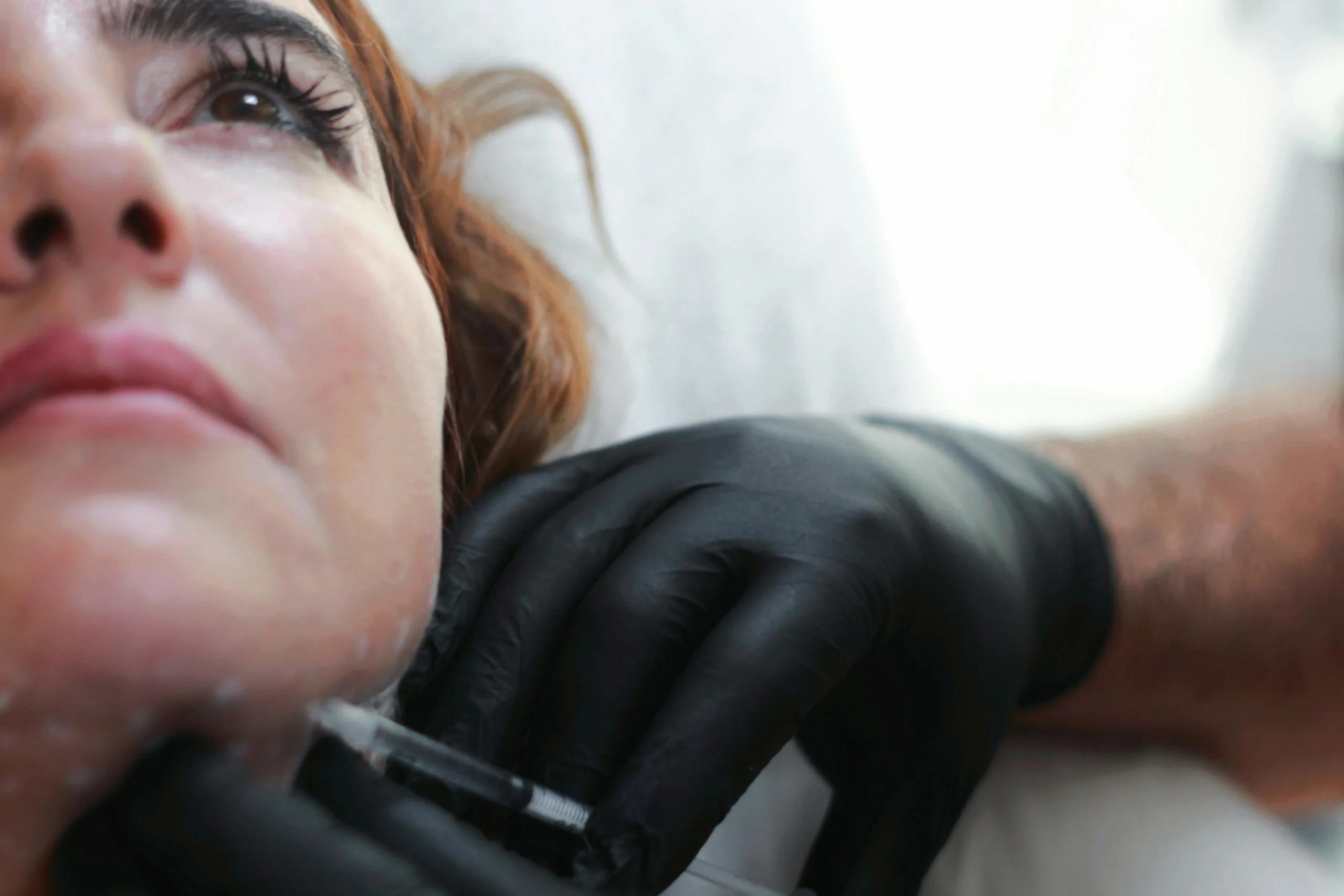
Non-surgical – Botulinum toxin injections are minimally invasive procedures performed in-office without general anesthesia, surgical incisions, or significant downtime. This accessibility has contributed to Botox becoming one of the most commonly performed aesthetic procedures globally.
Quick to administer – Treatment sessions typically require only 10 to 15 minutes, making them convenient for patients with busy schedules. The procedure can often be performed during a lunch break with immediate return to normal activities.
Minimally invasive – The procedure involves only small-gauge needle injections, causing minimal discomfort. Most patients tolerate treatment well without anesthesia, though topical anesthetic cream or ice may be used for sensitive individuals.
Effective for both prevention and correction – Botulinum toxin serves dual purposes: treating existing dynamic rhytids by reducing the muscle contractions that create them, and preventing new wrinkle formation by limiting repetitive facial movements that etch lines into the skin over time. Younger patients often pursue preventive Botox to delay visible aging signs.
When done properly, Botox does not change how you look. It simply softens expressions and helps you look more refreshed. The goal of aesthetic botulinum toxin treatment is subtle enhancement rather than dramatic transformation, maintaining facial animation and expression while reducing the appearance of etched lines at rest. Appropriate dosing, precise anatomic placement, and customization based on individual facial dynamics achieve natural results that preserve personality and emotional expressiveness.
How Long Does Botox Actually Last?
While the general guideline is 3 to 4 months, it helps to understand how Botox works over time. The temporal evolution of botulinum toxin effects follows a predictable pattern influenced by pharmacokinetic and pharmacodynamic principles governing drug absorption, distribution, onset of action, peak effect, and duration.
The First Few Days
You may start to notice changes within 3 to 5 days after your treatment. Muscles begin to relax, and lines start to soften. The onset of clinical effect requires time for the botulinum toxin to bind to nerve terminals, undergo internalization, cleave SNAP-25 proteins, and produce sufficient reduction in acetylcholine release to manifest as visible muscle relaxation.
Individual variation in onset exists, with some patients noting effects as early as 24 to 48 hours, while others require up to one week. Factors affecting onset include injection technique, reconstitution dilution, muscle mass and activity, individual metabolic factors, and anatomic location treated.
During this initial phase, patients should avoid premature assessment of results or concern that treatment has failed. The biological processes underlying botulinum toxin action simply require time to manifest clinically.
Peak Results
Around 10 to 14 days, Botox reaches its full effect. This is when your results look their best. Maximum clinical efficacy occurs once SNAP-25 cleavage is complete in affected nerve terminals and muscle relaxation is fully established. The two-week timepoint is standard for follow-up assessment and any necessary refinement injections.
Asymmetries, incomplete responses, or areas requiring additional units are best evaluated at this peak effect time point rather than immediately after treatment. Touch-up injections, when needed, are typically performed two weeks after initial treatment to allow accurate assessment of response.
Maintenance Phase
For the next few months, your results remain consistent. Your skin looks smoother, and muscle movement is reduced. The plateau phase represents stable neuromuscular blockade with maintained muscle relaxation and smooth skin appearance. This phase typically lasts 2 to 3 months, though individual variation exists.
During the maintenance phase, patients enjoy the aesthetic benefits of treatment without visible changes in effect. Muscle function remains reduced at a consistent level, dynamic rhytids are minimized, and the refreshed appearance is sustained.
Gradual Fading
After about 3 to 4 months, muscle movement slowly returns. This is a gradual process, not something that happens overnight. Recovery of muscle function occurs through neuronal sprouting, creating temporary alternative neuromuscular connections and eventual recovery or replacement of original nerve terminals.
The return of movement is progressive and subtle, beginning with the slight return of fine movements before progressing to full restoration of baseline muscle function. Patients typically notice gradual changes rather than an abrupt loss of effect. Complete return to baseline usually requires 4 to 6 months, though residual effects may persist longer in some individuals.
Different areas of the face may also wear off at slightly different times, depending on how much those muscles are used. Functional demand significantly affects duration; highly active muscles subjected to constant use (such as the frontalis in individuals who frequently raise their eyebrows or the masseter in those who habitually clench their jaw) may demonstrate earlier return of function compared to less active muscles.
Understanding this temporal profile helps patients recognize the normal progression of effects and the optimal timing for re-treatment. Scheduling follow-up treatments before complete return of muscle function maintains consistent results and may contribute to the muscle conditioning effect some patients experience with regular treatments.
Factors That Affect How Long Botox Lasts
Not everyone experiences Botox in the same way. Several factors can influence how long your results last. Recognizing these variables helps explain individual differences in duration and allows practitioners to customize treatment approaches for optimal outcomes.
Metabolism
People with faster metabolisms tend to break down Botox more quickly. This can lead to shorter-lasting results. While the botulinum toxin molecule itself is not metabolized in the traditional sense, the irreversible SNAP-25 cleavage is permanent; metabolic rate affects the speed of protein synthesis, cellular turnover, and nerve terminal regeneration.
Factors associated with faster metabolism include younger age (higher basal metabolic rate), athletic individuals with higher muscle mass, thyroid disorders (hyperthyroidism), genetic factors affecting metabolic rate, and certain medications or supplements affecting metabolism.
Conversely, individuals with slower metabolic rates may experience a longer duration of effect. Age-related metabolic slowing partially explains why some older patients report longer-lasting results, though this is balanced against age-related changes in skin quality that may affect perceived outcomes.
Treatment area
Some areas of the face are more active than others. For example, areas that move frequently may wear off faster. The relationship between muscle activity and duration reflects basic principles of neuromuscular physiology; highly active muscles subjected to constant stimulation may demonstrate enhanced nerve sprouting and recovery compared to less active muscles.
Areas with relatively longer duration include the glabellar complex (less constantly active than other facial muscles), upper forehead lines in individuals with low frontalis activity, and certain neck bands (platysma).
Areas with potentially shorter duration include the frontalis in highly expressive individuals who constantly animate their brows, crow’s feet in individuals who squint frequently, and masseter muscles in those with habitual jaw clenching or grinding.
Additionally, anatomic factors like muscle mass, fiber type composition, vascularity, and injection depth all potentially influence duration at different facial locations.
Dosage and technique
The amount of Botox used and how it is administered play a big role in how long it lasts. Proper technique ensures balanced and longer-lasting results. The dose-response relationship for botulinum toxin is complex; insufficient dosing produces an incomplete effect and shorter duration, while appropriate dosing achieves the desired effect with optimal duration.
Technical factors affecting outcomes include injection volume and concentration (reconstitution dilution), anatomic placement relative to target muscles, injection depth (intramuscular versus more superficial), number of injection points, and dispersion pattern.
Experienced injectors understand facial anatomy, muscle dynamics, optimal injection sites for each indication, appropriate dosing for individual patient characteristics, and techniques for natural, balanced results.
Underdosing results in suboptimal outcomes and shorter duration, while appropriate dosing achieves the desired effect with the expected duration. Overdosing does not substantially extend duration but increases risks of adverse effects like eyelid ptosis or excessive weakness.
Lifestyle habits
Certain habits can affect Botox longevity, such as:
Frequent intense exercise – While moderate exercise is certainly compatible with Botox treatment, some evidence suggests that very frequent, intense exercise might slightly shorten duration. The mechanisms potentially include increased metabolic rate and protein turnover, enhanced blood flow, accelerating nerve terminal regeneration, and muscle hypertrophy, potentially requiring higher doses for equivalent effect.
However, patients should not avoid exercise for Botox; the health benefits of regular physical activity far outweigh any minor effects on cosmetic treatment duration. Timing considerations may apply in the immediate post-treatment period, as discussed below.
High sun exposure – While ultraviolet radiation does not directly affect botulinum toxin pharmacology, chronic sun exposure damages skin and accelerates photoaging. UV damage creates static rhytids (present even without muscle movement) that Botox cannot address since it only affects dynamic wrinkles from muscle contraction.
Comprehensive anti-aging skincare combining Botox for dynamic lines with sun protection and skincare products addressing photodamage achieves superior outcomes.
Stress levels – Chronic stress potentially affects Botox duration through multiple mechanisms, including increased cortisol affecting protein metabolism, habitual facial expressions (frowning, jaw clenching) increasing muscle activity, and stress-related behaviors like poor sleep or skin picking.
While these do not drastically shorten results, they can have an impact over time. Lifestyle modifications supporting general health and well-being may optimize cosmetic treatment outcomes as part of a holistic approach to aesthetic medicine.
Additional factors potentially affecting duration include smoking (impairs healing and skin quality), alcohol consumption (affects healing and skin health), certain medications or supplements (though few have documented interactions), nutritional status (protein intake and general nutrition), and sleep quality (affects cellular repair and regeneration).
How Often Should You Get Botox?
Most people benefit from getting Botox every 3 to 4 months. This timing allows you to maintain consistent results without letting the effects fully wear off. Regular treatment intervals based on individual response patterns achieve stable, consistent outcomes and may contribute to the muscle conditioning effect noted with long-term use.
Why Consistency Matters
Regular treatments can help train your muscles to relax over time. This may lead to longer-lasting results with continued use. The mechanisms underlying this observed phenomenon may include muscle atrophy from sustained reduced activity, muscles subjected to prolonged relaxation may undergo some degree of adaptive atrophy, reducing contractile strength, behavioral modification as patients become less accustomed to certain facial expressions and unconsciously reduce these movements, and potential changes in muscle fiber type composition with chronic reduced stimulation.
Clinical observations suggest that some long-term Botox patients can extend intervals between treatments over time, though this is variable and not guaranteed for all patients.
Finding The Right Schedule
Not everyone needs the same frequency. Some people may stretch treatments to every 4 to 6 months, while others prefer more regular visits. Individual customization of treatment intervals depends on the rate of return of muscle function (which varies considerably), aesthetic goals, and tolerance for return of movement, practical considerations like scheduling and budget, and clinical judgment balancing optimal outcomes with appropriate use.
The best schedule depends on:
Your goals – Patients seeking complete elimination of movement may require more frequent treatments, while those comfortable with some movement can return between treatments and extend intervals. Goals should be discussed openly to align treatment frequency with expectations.
Your response to treatment – Individual response to botulinum toxin varies. Monitoring duration of effect over initial treatments establishes individual response patterns guiding optimal re-treatment timing.
The areas being treated – Different anatomic locations may demonstrate different durations, sometimes requiring staggered treatment schedules. For instance, glabellar treatments might be performed every 4 months, while crow’s feet are treated every 3 months if differential duration is observed.
We always recommend a personalized approach rather than a one-size-fits-all plan. Optimal treatment intervals emerge through experience with individual response patterns, ongoing communication about satisfaction with results, and flexible adjustments based on lifestyle changes or evolving goals.
What Not to Do After Botox
Aftercare plays an important role in ensuring the best possible results. While botulinum toxin is relatively forgiving regarding post-treatment restrictions, certain precautions in the immediate post-injection period may optimize outcomes and minimize complications.
Avoid Touching Or Rubbing The Area
This can interfere with how Botox settles into the muscles. In the first several hours after injection, before the toxin binds irreversibly to nerve terminals, mechanical pressure or massage might theoretically cause unintended migration to adjacent muscles.
While the risk is likely small given the molecular weight and binding characteristics of botulinum toxin, avoiding manipulation of treatment areas for the remainder of the injection day represents prudent precaution.
Avoid Lying Down Too Soon
Stay upright for at least 4 hours after your treatment to prevent unwanted movement of the product. This traditional recommendation aims to minimize potential migration due to gravitational effects, though evidence supporting this restriction is limited. Nevertheless, remaining upright for several hours post-treatment is simple and may provide marginal benefit.
Avoid Intense Exercise
Heavy workouts can increase blood flow and may affect how Botox settles. Vigorous exercise increases heart rate, blood pressure, and regional blood flow, which theoretically might enhance diffusion before toxin binding is complete. Additionally, certain exercises requiring facial muscle contraction (such as inverted positions or straining) might be avoided.
The recommendation is typically to avoid strenuous exercise for the remainder of the injection day and possibly the following day. Moderate activity like walking is generally fine, while high-intensity workouts, heavy lifting, or hot yoga should be deferred.
Avoid Heat Exposure
Saunas, hot showers, and direct heat should be avoided for at least 24 hours. Elevated temperatures increase regional blood flow and might theoretically affect distribution before binding is complete. This includes saunas, steam rooms, hot tubs, prolonged hot showers, facial steamers, and extended sun exposure.
Avoid Alcohol
Alcohol can increase the risk of swelling or bruising. Alcohol causes vasodilation and has anticoagulant properties that may enhance bruising at injection sites. Patients who consumed alcohol before treatment or plan to consume shortly after may experience more prominent bruising.
Ideally, alcohol should be avoided for 24 hours before and after treatment, though this is a relative rather than an absolute contraindication.
Following proper aftercare helps ensure your Botox works effectively and lasts as expected. Additional aftercare considerations include avoiding other facial treatments (peels, microneedling, facials) for at least two weeks post-treatment, sleeping elevated the first night if concerned about migration, applying ice or cold compresses to minimize swelling or bruising, avoiding blood thinning medications or supplements if feasible (aspirin, NSAIDs, vitamin E, fish oil), and following up at appropriate intervals to assess results and address any concerns.
Most restrictions are precautionary and based on theoretical concerns rather than definitive evidence, but they represent reasonable steps to optimize outcomes and minimize complications.
Signs Your Botox Is Wearing Off
It is completely normal for Botox to fade over time. Recognizing normal recovery patterns prevents confusion or concern about treatment failure.
You may notice:
Slight movement returning in treated areas – The earliest sign of waning effect is typically the subtle return of fine movements in treated muscles. This begins gradually, with minor muscle activity preceding full restoration of movement.
Fine lines becoming more visible – As muscle function returns, dynamic rhytids reappear with facial expression. Lines that were softened during peak effect become progressively more visible as muscle contraction strength increases.
Gradual changes rather than sudden ones – Recovery is a progressive process occurring over weeks. Patients do not wake up one morning with a sudden complete loss of effect; rather, they notice incremental increases in movement and line visibility over time.
This is simply your body returning to its natural state. The return of muscle function reflects normal neuromuscular recovery through nerve sprouting and terminal regeneration, expected biological processes that do not represent treatment failure or indicate anything abnormal.
The goal of Botox is not to stop movement forever, but to soften it in a controlled and natural way. Aesthetic botulinum toxin treatment aims for natural enhancement, preserving facial expressiveness while minimizing unwanted rhytids. Complete, permanent muscle paralysis would be neither achievable nor desirable.
Patients should view the gradual return of movement as indicating appropriate timing for re-treatment rather than as treatment failure. Scheduling the next appointment when early signs of waning effect appear maintains consistent results and smooth continuity rather than allowing complete return to baseline between treatments.
Why Choose TrustyMed Clinic’s Services?
We understand that getting Botox is not just about the treatment itself. It is about feeling confident, informed, and comfortable every step of the way. Aesthetic medicine combines art and science, requiring both technical expertise and understanding of individual aesthetic goals, facial anatomy, and patient concerns.
At TrustyMed Clinic, we take a personalized approach to every treatment. We focus on understanding your goals and creating results that look natural and balanced. Our philosophy emphasizes consultation before injection,taking time to understand your concerns, aesthetic objectives, facial dynamics, and lifestyle before recommending treatment.
Our approach includes:
Careful assessment of your facial structure – Comprehensive facial analysis examines muscle dynamics, movement patterns, asymmetries, skin quality, and bone structure to inform customized treatment planning. We recognize that every face is unique, requiring individualized approaches rather than formulaic treatment.
Customized treatment plans – Based on facial analysis and aesthetic goals, we develop personalized treatment plans specifying appropriate areas, units, injection points, and expected outcomes. Plans are discussed thoroughly ensuring alignment with patient expectations.
Safe and precise application techniques – Proper injection technique requires anatomic knowledge, experience with facial dynamics, precise dosing and placement, and meticulous attention to safety. Our practitioners maintain current knowledge of best practices and evidence-based techniques.
Ongoing guidance and support – We provide pre-treatment education about what to expect, post-treatment aftercare instructions, appropriate follow-up to assess results, and long-term planning for optimal maintenance.
We believe that great results come from both skill and communication. You should always feel informed and confident about your treatment. Open communication, realistic expectation setting, and collaborative decision-making create optimal patient experiences and aesthetic outcomes.
Final Thoughts
Botox is a simple and effective way to refresh your appearance, but it is important to have realistic expectations. Understanding the temporary nature of botulinum toxin treatments, the normal duration of effects, individual variation in response, and factors affecting longevity helps patients achieve satisfying outcomes.
Results are not permanent, and that is part of what makes Botox so flexible. You can adjust your treatments over time to suit your preferences and lifestyle. The reversibility and adjustability of botulinum toxin treatments represent fundamental advantages, allowing evolution of treatment as faces age, preferences change, or life circumstances shift.
Understanding how long Botox lasts, what affects it, and how to maintain it helps you get the most out of your experience. Informed patients who understand normal treatment timelines, optimize aftercare, recognize signs of waning effect, and schedule appropriate re-treatment intervals achieve the best long-term outcomes with this remarkably effective aesthetic modality.
Let’s Help You Feel Confident in Your Results
If you are considering Botox or want to better understand your current results, we are here to guide you. Whether contemplating first-time treatment or seeking to optimize current regimens, a comprehensive consultation addresses questions, concerns, and goals.
Book a consultation with TrustyMed Clinic and let’s talk about what works best for you, your goals, and your lifestyle. Our experienced practitioners provide expert assessment, honest recommendations, natural-looking results, and ongoing support throughout your aesthetic journey.
Follow us on our social media pages below:
Check out more of our articles below: