
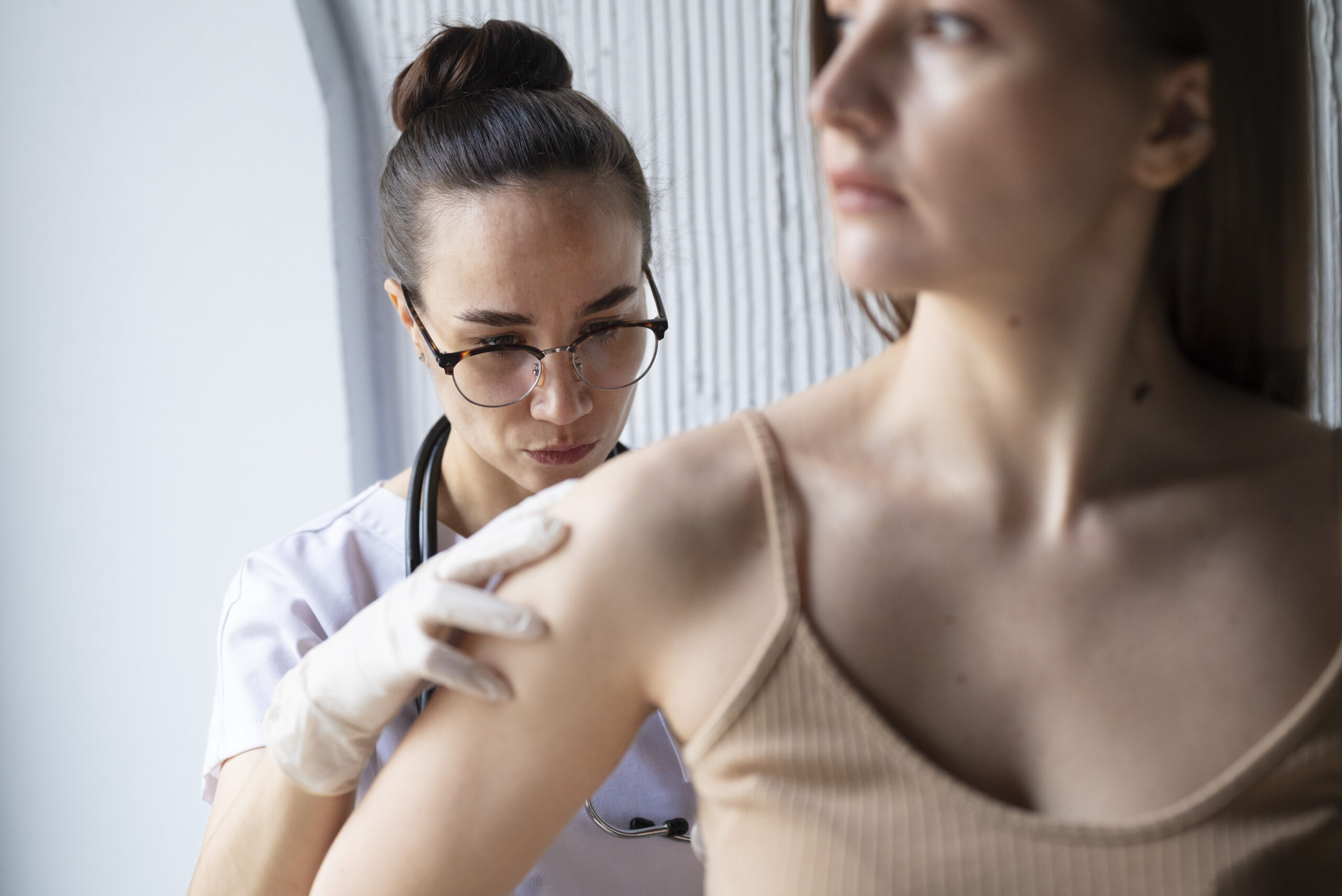
Skin Cancer Checks: Who Needs Them And How Often
Understanding How Often to Check for Skin Cancer
You may have looked at your skin and wondered, “How often to check for skin cancer?” This is an important question that many people don’t think about until there’s a concern. Skin cancer is one of the most common types of cancer, but when found early, it is often very treatable.

Skin cancer represents the most frequently diagnosed malignancy in the United States, with over 5 million cases treated annually. This statistic surpasses all other cancer types combined, yet skin cancer often receives less attention in public health discussions. The incidence continues to rise, with melanoma rates having doubled over the past three decades, while non-melanoma skin cancers have increased by approximately 300% since 1994.
Despite these alarming trends, the prognosis for skin cancer detected at early stages is excellent. Five-year survival rates exceed 99% for localized melanoma and approach 100% for basal cell and squamous cell carcinomas.
Knowing how often to check your skin, what to look for, and when to see a professional can help protect your health. This guide explains skin cancer checks in a simple and clear way.
What Is Skin Cancer?
Skin cancer happens when skin cells grow in an abnormal way. At the cellular level, this represents a malignant transformation resulting from accumulated DNA damage, primarily from ultraviolet radiation exposure. This damage causes mutations in genes that regulate cell growth, division, and death. When these control mechanisms fail, cells proliferate uncontrollably and may invade surrounding tissues.
There are several types of skin cancer, with three main types you should know about:
Basal Cell Carcinoma (BCC)
Basal cell carcinoma is the most common skin cancer, accounting for approximately 80% of all non-melanoma skin cancers. BCC arises from basal cells in the lowest layer of the epidermis and hair follicles. These cancers typically grow slowly over months to years and rarely spread to other organs, though they can cause significant local tissue destruction if left untreated.
BCC commonly appears on sun-exposed areas, particularly the head and neck. Clinical presentations include:
- Pearly or waxy bumps with visible blood vessels
- Flat, flesh-colored or brown scar-like lesions
- Bleeding or oozing sores that heal and return
- Pink growths with raised edges and central depression
Risk factors include chronic sun exposure, fair skin type, previous radiation therapy, immunosuppression, and exposure to arsenic.
Squamous Cell Carcinoma (SCC)
Squamous cell carcinoma is the second most common skin cancer, representing approximately 20% of non-melanoma skin cancers. SCC develops from squamous cells in the outer layers of the epidermis. While SCC grows more aggressively than BCC, it still typically develops slowly over weeks to months. However, SCC has metastatic potential. Approximately 2 to 5% of cases spread to lymph nodes or distant organs, with higher risk in certain locations like the ear or lip and in immunosuppressed patients.
SCC commonly appears as:
- Firm, red nodules
- Flat lesions with scaly or crusted surface
- New sores or raised areas on old scars or ulcers
- Rough, scaly patches that may itch or bleed
- Wart-like growths
Risk factors include cumulative UV exposure, fair skin, history of precancerous lesions, chronic wounds or scars, HPV infection, immunosuppression, and chronic inflammation.
Melanoma
Melanoma is the most serious form of skin cancer, arising from melanocytes, the pigment-producing cells. Although melanoma accounts for only about 1% of skin cancer cases, it causes the vast majority of skin cancer deaths due to its propensity for early metastasis.
Melanoma can develop in existing moles or appear as new pigmented lesions. Warning signs include asymmetry, irregular borders, color variation, diameter greater than 6mm, and evolution (change over time). These are summarized in the “ABCDE” criteria, which we’ll discuss in detail later.
Melanoma requires early detection and aggressive treatment, as prognosis correlates strongly with depth of invasion at diagnosis. Five-year survival for localized melanoma exceeds 99%, but drops to 68% for regional spread and 30% for distant metastasis.
Risk factors include intense, intermittent UV exposure (particularly severe sunburns in childhood), fair skin and light hair, numerous moles (especially atypical or dysplastic nevi), family history of melanoma, personal history of melanoma, immunosuppression, and genetic factors.
Understanding UV Damage
Skin cancer often develops because of damage from the sun or tanning beds. Ultraviolet radiation is the primary cause of most skin cancers. UV radiation causes direct DNA damage and generates reactive oxygen species that damage DNA, proteins, and lipids. With repeated or intense exposure, errors accumulate and critical mutations allow uncontrolled cell proliferation.
The relationship between UV exposure and skin cancer type varies. BCC and SCC correlate with cumulative lifetime UV exposure, the total amount of sun exposure accumulated over decades. This explains why these cancers typically appear in older adults in chronically sun-exposed areas.
Melanoma shows a different pattern, with risk more strongly associated with intermittent, intense UV exposure and severe sunburns, particularly during childhood and adolescence. This explains why melanoma can occur in relatively sun-protected areas and in younger adults.
Tanning beds emit primarily UVA radiation, which penetrates deeper into the skin than UVB. Indoor tanning before age 35 increases melanoma risk by 75%, and risk increases with frequency and duration of use. The World Health Organization classifies UV-emitting tanning devices as Group 1 carcinogens, equivalent to tobacco and asbestos.
Why Regular Skin Cancer Checks Are Important
Regular skin cancer checks help find problems early. Early detection makes treatment easier and more successful. The principle of early detection is fundamental to cancer control and is particularly applicable to skin cancer, given its visibility and accessibility to examination.

Benefits of Early Detection for Non-Melanoma Skin Cancers
For non-melanoma skin cancers, early detection allows:
- Smaller, simpler excisions with better cosmetic outcomes
- Lower recurrence rates
- Reduced need for extensive reconstructive surgery
- Decreased risk of local tissue destruction (particularly important on the face)
Treatment options for early lesions include simple excision, electrodesiccation and curettage, cryotherapy, or topical therapies. Advanced lesions may require Mohs micrographic surgery, extensive reconstruction, or radiation therapy.
Why Early Detection Saves Lives with Melanoma
For melanoma, early detection is literally life-saving. Melanoma prognosis correlates closely with Breslow thickness, the depth of tumor invasion measured in millimeters. Melanoma in situ (confined to epidermis) and thin melanomas (less than 1mm) have excellent prognosis with simple excision. As thickness increases, so does metastatic risk, requiring sentinel lymph node biopsy, wider excision margins, and potentially adjuvant therapy.
The difference in five-year survival between localized melanoma (99%) and distant metastatic disease (30%) underscores the critical importance of early detection.
The Challenge: Silent Early Symptoms
Skin cancer does not always hurt or cause discomfort. Some spots may look harmless at first. This creates both challenge and opportunity. The challenge is that lesions may be ignored because they don’t cause pain or functional impairment. Patients often present late because “it didn’t bother me.”
The opportunity is that with appropriate surveillance, these asymptomatic lesions can be detected when they are most treatable. Skin cancers may present as subtle changes easily dismissed as benign:
- A small scaly patch attributed to dry skin might be an actinic keratosis or early SCC
- A pearly bump dismissed as a pimple might be BCC
- A changing mole rationalized as “just getting older” might be melanoma
These early signs require recognition and appropriate evaluation rather than dismissal. Regular checks are a key part of good skin cancer care and overall health.
How Often to Check for Skin Cancer: General Guidelines
Everyone can benefit from skin cancer checks, but how often you need them depends on your personal risk. The concept of risk-stratified surveillance recognizes that skin cancer risk varies substantially across populations. While anyone can develop skin cancer in all skin types, ages, and levels of sun exposure, certain individuals face markedly elevated risk requiring more intensive surveillance.
Monthly Self-Examinations for Everyone
Most people should check their skin at home about once a month. This helps you become familiar with your skin so you can notice changes.
Monthly self-skin examination (SSE) represents the recommended frequency for the general population. This interval balances several considerations:
- Frequent enough to detect concerning changes relatively early, as most skin cancers develop over weeks to months
- Infrequent enough to be practical and sustainable
- Allows establishment of a routine that can be tied to regular events (first day of the month, specific date)
The primary purpose of regular self-examination is to establish familiarity with your skin’s normal appearance. Everyone has unique skin characteristics including distribution of moles, freckles, birthmarks, and scars. By examining your skin regularly, you develop an internal baseline against which changes become apparent. This “know your skin” approach enhances detection of the “ugly duckling” sign, a lesion that looks different from your other moles.
Annual Professional Examinations
A professional skin cancer check-up is often recommended once a year for adults. This allows a trained provider to examine areas that are hard to see on your own.
Annual professional skin examinations for average-risk adults represent a reasonable surveillance strategy supported by many dermatology organizations. Professional examination offers several advantages over self-examination alone:
- Training in recognizing subtle features of skin cancer
- Experience examining thousands of patients, providing pattern recognition
- Access to dermoscopy (magnification and lighting tools that enhance diagnostic accuracy)
- Ability to examine difficult-to-see areas comprehensively (scalp, back, buttocks, genitals)
- Capacity to biopsy suspicious lesions immediately
- Documentation with photographs for future comparison
The Power of Combined Surveillance
Regular at-home checks combined with professional exams provide strong protection. The combination creates a complementary surveillance system:
Self-examination provides:
- Continuous monitoring between professional visits
- Early detection of rapidly changing lesions
- Reinforcement of skin cancer awareness
- Empowerment as an active participant in your care
Professional examination provides:
- Expert evaluation
- Comprehensive examination including difficult areas
- Definitive diagnosis through biopsy
- Appropriate management planning
Together, these approaches maximize early detection opportunity while being resource-efficient.
Who Is at Higher Risk for Skin Cancer?
Some people have a higher risk of developing skin cancer and may need more frequent checks. Risk stratification involves evaluating multiple factors across categories, including constitutional factors, phenotypic factors, exposure history, medical history, and genetic factors.
Major Risk Factors
Fair Skin That Burns Easily
Skin type is one of the strongest predictors of skin cancer risk. Types I and II (very fair to fair skin that always burns and never or minimally tans) have 10 to 20 fold higher melanoma risk compared to deeply pigmented skin. This reflects the protective role of melanin, which absorbs UV radiation and neutralizes free radicals.
Fair-skinned individuals of Northern European descent (Celtic, Scandinavian ancestry) face particularly elevated risk. However, skin cancer does occur in darker skin types, often with delayed diagnosis and worse outcomes due to lower suspicion and awareness.
History of Sunburns
Sunburn history, particularly severe, blistering sunburns during childhood and adolescence, significantly increases melanoma risk. Each blistering sunburn in childhood or adolescence doubles melanoma risk. Five or more blistering sunburns between ages 15 to 20 increases melanoma risk by 80%.
Sunburns indicate intense, intermittent UV exposure that damages melanocyte DNA. The timing is significant because melanocytes in younger individuals are particularly vulnerable to malignant transformation from UV damage.
Many Moles or Unusual Moles
The number of melanocytic nevi (moles) correlates with melanoma risk. Individuals with more than 50 common moles have 5-fold increased melanoma risk, and those with more than 100 moles have 7-fold increased risk.
Atypical or dysplastic nevi (moles with irregular borders, varied pigmentation, or unusual appearance) confer additional risk. Having even one dysplastic nevus doubles melanoma risk. Having 5 or more increases risk 10-fold. Dysplastic nevi may represent both melanoma precursors and markers of genetic susceptibility.
Personal or Family History of Skin Cancer
Personal history of any skin cancer substantially elevates risk for additional skin cancers. After one melanoma, the risk of subsequent melanoma is 3 to 5% within 3 years and 5 to 10% lifetime. After one non-melanoma skin cancer, the annual risk of additional non-melanoma skin cancer is 35 to 50%.
Family history also matters. Having one first-degree relative with melanoma doubles risk. Two or more first-degree relatives increases risk 5 to 10 fold. About 10% of melanomas occur in families with genetic predisposition.
Frequent Sun Exposure or Tanning Bed Use
Occupational or recreational sun exposure patterns significantly impact risk. Outdoor workers accumulate high cumulative UV exposure, increasing BCC and SCC risk. Recreational sun exposure, particularly at high altitudes or near water (where UV reflects), increases risk.
Tanning bed use before age 35 increases melanoma risk by 75%. Each additional tanning session increases risk by 1 to 2%. Frequent users (more than 10 sessions annually) face 3 to 8 fold increased melanoma risk.
Additional Risk Factors
Other important risk factors include:
- Immunosuppression (organ transplant recipients face 65 to 250 fold increased SCC risk)
- Radiation therapy (previous radiation increases skin cancer risk in the radiation field)
- Chemical exposures (arsenic exposure increases risk)
- Chronic skin conditions (chronic wounds, burns, and scars predispose to SCC)
- Certain genetic syndromes (xeroderma pigmentosum, basal cell nevus syndrome)
- Male sex (men have 1.5 to 2 fold higher melanoma mortality)
- Increasing age (risk increases with cumulative sun exposure)
- Geographic location (higher risk at lower latitudes with higher UV index)
If you have one or more risk factors, your provider may suggest more frequent skin cancer check-ups.
How Often Should High-Risk Individuals Get Checked?
People at higher risk for skin cancer often need professional checks more than once a year. Some may be advised to have a skin exam every six months.
High-risk individuals warrant more intensive surveillance with professional skin examinations every 3 to 6 months, depending on specific risk factors and clinical judgment.
Specific High-Risk Groups
Individuals with Personal History of Melanoma
Lifelong surveillance every 3 to 6 months is recommended, as 5 to 10% develop additional melanomas.
Organ Transplant Recipients
Every 3 to 6 months due to markedly elevated risk of aggressive SCC and melanoma.
Patients with Dysplastic Nevus Syndrome
Every 3 to 6 months with careful documentation and photography of atypical nevi.
Individuals with 50+ Moles or Multiple Atypical Moles
Every 6 to 12 months with total body photography for comparison.
Those with Genetic Predisposition
Those with CDKN2A mutations or other familial melanoma syndromes require every 3 to 6 months.
Patients with Xeroderma Pigmentosum
Every 3 to 4 months starting in early childhood due to DNA repair disorders.
Individuals with Extensive Actinic Damage
Every 6 to 12 months as they are at high risk for multiple skin cancers.
Personalizing Your Surveillance Plan
Your healthcare provider can help decide the right schedule based on your history and skin type. Surveillance intervals should be individualized based on comprehensive risk assessment. Factors influencing surveillance intensity include:
- Number and severity of risk factors
- Your ability to perform reliable self-examination
- Access to dermatologic care
- Your anxiety level and preferences
- Findings at previous examinations
Staying consistent with follow-up appointments is important for ongoing skin cancer care. The surveillance plan should be documented, clearly communicated, and reassessed periodically.
Improving Adherence to Surveillance
Studies indicate that only 50 to 60% of high-risk patients adhere to recommended follow-up schedules. Barriers include lack of symptoms, access issues, cost concerns, competing priorities, and forgetfulness.
Strategies to improve adherence include:
- Clear communication about individual risk
- Scheduling the next appointment before leaving
- Reminder systems (calls, texts, patient portals)
- Flexible scheduling options
- Addressing barriers proactively
How to Do a Skin Cancer Check at Home
Checking your skin at home is simple and doesn’t take long. Effective self-skin examination requires a systematic technique to ensure comprehensive coverage of all skin surfaces.
What You’ll Need
The examination environment should include:
- Bright, even lighting (natural daylight is ideal, or bright white artificial light)
- A full-length mirror for viewing large body areas
- A handheld mirror for viewing difficult areas
- Well-lit private space where you won’t be rushed
- Optionally, a camera or smartphone for documenting lesions
Step-by-Step Examination Guide
A comprehensive self-skin examination should follow a systematic approach, examining all skin surfaces from head to toe.
- Face and Scalp
-
- Examine your face in the mirror, including forehead, temples, ears (front and back), nose, cheeks, lips, chin, and around the eyes. Use a comb or hair dryer to part hair in sections, examining the scalp systematically. A partner can help examine the scalp thoroughly.
- Neck and Chest
-
- Examine front and sides of neck, including under the chin. Women should lift breasts to examine the skin underneath. Examine the entire chest and check underarm areas.
- Arms and Hands
-
- Examine both sides of the arms from shoulders to fingertips. Check palms, backs of hands, between fingers, and beneath fingernails. Don’t forget wrists and forearms.
- Torso
-
- Examine abdomen, sides, and lower back as much as possible in the front mirror. Use a handheld mirror to examine the entire back by standing with your back to a full-length mirror.
- Genital Area
-
- Examine the external genital area, including skin folds. Use a mirror if needed.
- Legs and Feet
- Sit down to examine both legs thoroughly (front, back, and sides). Examine ankles, tops and bottoms of feet, between toes, and beneath toenails. Don’t forget the backs of thighs and buttocks.
What to Look For
During examination, look for the “ugly duckling” sign (lesions that don’t fit the pattern of your other moles). Additionally, note:
- New lesions that have appeared since last examination
- Existing lesions that have changed in size, shape, or color
- Lesions that are different colors or have irregular borders
- Sores that don’t heal within 2 to 3 weeks
- Spots that itch, hurt, or bleed spontaneously
- Scaly or crusty patches that persist
Helpful Practices
Improve your self-examination by:
- Keeping a skin map or journal documenting location and description of moles
- Taking photographs of concerning lesions for future comparison
- Performing examinations at the same time each month
- Involving a partner to examine difficult-to-see areas
- Reporting concerning findings to your provider promptly
A thorough examination requires only 10 to 15 minutes and can be life-saving.
The 7 Warning Signs of Skin Cancer
Knowing the warning signs of skin cancer can help you catch problems early. These warning signs reflect the biological characteristics of malignant transformation that distinguish cancerous lesions from benign changes.
1. A New Spot on the Skin
A new mole, bump, or mark that wasn’t there before should be checked, especially if it looks different from other spots on your skin.
The appearance of new pigmented lesions is normal in young adults but becomes increasingly concerning with age. After age 40, new moles should be viewed with suspicion, as melanoma often presents as a new lesion rather than change in an existing mole. Studies indicate that 70 to 80% of melanomas arise in previously normal skin.
The key is whether the new lesion looks like your other moles or stands out as different. A new lesion that is darker, larger, irregular, or different in texture from existing moles deserves evaluation.
2. A Mole That Changes Over Time
Changes in size, shape, or color can be a sign of skin cancer. Any change, even a small one, is important.
Change over time is among the most significant warning signs for melanoma. While benign nevi can change slowly over years, rapid change over weeks to months is concerning. Specific concerning changes include:
- Enlargement (mole growing larger)
- Spread (pigment spreading from border into surrounding skin)
- Elevation (flat mole becoming raised)
- Darkening or lightening
- Development of irregularity
- Textural changes (surface becoming scaly, oozing, bleeding, or crusting)
The “E” in ABCDE criteria represents “Evolving.” Any mole changing differently from your other moles warrants evaluation.
3. An Uneven or Irregular Shape
Skin cancer spots often have uneven edges instead of a smooth, round shape.
Asymmetry is the “A” in ABCDE criteria. Benign moles are typically symmetrical. If you drew a line through the center, both halves would match. Melanomas tend to be asymmetrical, with one half looking different from the other.
To assess asymmetry, imagine dividing the lesion in half vertically and horizontally. If the halves don’t match in any axis, the lesion is asymmetric. Significant asymmetry, particularly when combined with other warning signs, warrants evaluation.
4. More Than One Color in One Spot
A spot that has different shades of brown, black, red, pink, or white may be a warning sign.
Color variation is the “C” in ABCDE criteria. Benign moles are usually uniform in color. Melanomas often display multiple colors within a single lesion, including:
- Various shades of brown or black
- Blue or gray (indicating deep pigment)
- Red or pink (from inflammation or increased vascularity)
- White (from regression or loss of pigment)
This variegation reflects the disordered growth of melanoma cells. The presence of blue, gray, or multiple distinct colors in a lesion is particularly concerning.

5. A Sore That Doesn’t Heal
A sore that stays open, bleeds, or scabs over and then reopens should be checked by a healthcare provider.
Non-healing sores are classic presentations of BCC and SCC. A lesion that repeatedly crusts over, partially heals, then breaks down again over weeks to months suggests skin cancer. The key is persistence. Benign wounds heal completely within 2 to 3 weeks, while malignant lesions persist or recur.
Any sore that hasn’t healed after 3 to 4 weeks deserves medical evaluation. Recurrent bleeding without obvious trauma is particularly concerning.
6. A Spot That Itches, Hurts, or Bleeds
Skin cancer doesn’t always hurt, but itching, tenderness, or bleeding without a clear reason can be a sign.
Symptomatic lesions warrant attention because they indicate biological activity. Most moles are completely asymptomatic. The development of symptoms suggests something has changed:
- Itching may indicate inflammation or growth
- Pain or tenderness could reflect inflammation, infection, or deeper invasion
- Spontaneous bleeding indicates fragile, abnormal vasculature
However, many skin cancers, especially early ones, are completely asymptomatic. The absence of symptoms should never provide false reassurance if other warning signs are present.
7. A Spot That Looks Different from the Rest
If one mole or spot looks very different from others on your body, it deserves attention.
The “ugly duckling” sign is increasingly recognized as a valuable diagnostic tool. Just as an ugly duckling looks different from its siblings, a melanoma often looks different from your other moles.
Everyone has a general pattern to their moles. A lesion that doesn’t fit this pattern, that stands out as different from all the others, deserves evaluation even if it doesn’t strictly meet other criteria. This sign has a sensitivity of 80 to 90% for melanoma detection.
Important Reminder
If you notice any of these signs, it doesn’t mean you have skin cancer, but it does mean you should get it checked. Early evaluation is key and can lead to better outcomes.
These warning signs are guidelines, not absolute diagnostic criteria. Many benign lesions display one or more warning signs, and not all skin cancers display classic features. When in doubt, seek evaluation. False alarms are far better than missed cancers.
What Happens During a Professional Skin Cancer Check-Up
During a professional skin cancer check-up, a healthcare provider examines your skin from head to toe. They may use a special tool to look closely at moles or spots.
The Examination Process
A thorough professional skin examination, often called a total body skin examination (TBSE), is a systematic visual and tactile inspection of the skin surface.
Patient Preparation
You’ll be provided with a gown and asked to remove clothing to allow complete skin inspection. While this can feel uncomfortable, comprehensive examination is essential. Melanomas can occur anywhere on the body, including areas rarely exposed to the sun. Women should remove makeup and may need to remove nail polish.
Medical History Review
Before examination, the provider reviews your medical history, including:
- Previous skin cancers or precancerous lesions
- Family history of skin cancer
- Sun exposure history and tanning bed use
- Immunosuppression or medications
- History of radiation therapy
- Current concerns or lesions you’ve noticed
Systematic Skin Examination
The provider examines skin systematically, often starting at the scalp and proceeding downward. Examination includes all areas: scalp, face, neck, chest, back, arms, hands, legs, feet, and genital/perianal areas.
The provider looks for new lesions, changing lesions, lesions meeting warning sign criteria, precancerous lesions, and signs of sun damage. Palpation of lesions and lymph nodes may be performed.
Dermoscopy
The “special tool” often used is a dermatoscope, a handheld device providing 10-fold magnification and specialized lighting. Dermoscopy allows examination of features not visible to the naked eye, including pigment patterns, vascular structures, and architectural arrangements.
Dermoscopy significantly improves diagnostic accuracy, with studies showing 10 to 30% improvement in melanoma detection compared to naked eye examination.
Photography
Many practices use total body photography to document baseline appearance and monitor changes over time. This is particularly valuable for high-risk patients with multiple moles.
Patient Education
During examination, providers often educate patients about findings, demonstrate proper self-examination technique, and discuss sun protection strategies.
If a Suspicious Lesion Is Found
The exam is usually quick and painless, typically requiring 10 to 20 minutes. If a spot looks suspicious, the provider may suggest further testing or removal.
When a suspicious lesion is identified, options may include:
- Monitoring with close follow-up
- Dermoscopic surveillance (documenting for comparison)
- Biopsy for definitive diagnosis
Biopsy is the gold standard for skin cancer diagnosis. Types include shave biopsy, punch biopsy, excisional biopsy, and incisional biopsy. Biopsy is typically performed in the office under local anesthesia, taking just a few minutes. Results are usually available within 1 to 2 weeks.
These check-ups are an important part of preventive skin cancer care. Professional examinations complement self-examination by providing expert evaluation, comprehensive coverage, enhanced visualization, and definitive diagnosis when indicated.
What to Do If You Notice a Change
If you notice a new or changing spot, don’t wait. Schedule an appointment as soon as possible.
When to Seek Evaluation
The timeline for scheduling depends on level of concern:
High Concern (rapidly growing, bleeding, ulcerated, painful, or clearly meeting multiple warning signs): Seek evaluation within days to weeks. Contact your provider for an urgent appointment.
Moderate Concern (some warning signs present but not rapidly progressing): Seek evaluation within 2 to 4 weeks. Schedule a routine appointment soon.
Low Concern (mild changes, single warning sign in otherwise benign-appearing lesion): Seek evaluation within 1 to 2 months, but don’t indefinitely postpone.
Trust Your Instincts
Early evaluation can prevent small problems from becoming serious. Trust your instincts if something doesn’t look right.
Patient intuition is valuable. Studies indicate that patients often correctly identify concerning lesions. If a lesion “just doesn’t look right” or “feels different,” seek evaluation even if you can’t articulate specific warning signs.
Preparing for Your Appointment
When scheduling, clearly communicate your concern. Specify that you have a changing or concerning skin lesion. Prepare by noting:
- When you first noticed the lesion
- What changes you’ve observed
- Any symptoms (itching, bleeding, pain)
- Your relevant risk factors
- Photographs of the lesion taken over time can be very helpful
During the appointment, don’t minimize your concerns or apologize. Early presentation is exactly what providers want. Be prepared to discuss your medical history, medications, sun exposure, and family history.
Skin Cancer Prevention and Ongoing Care
Prevention plays a big role in skin cancer care. Primary prevention (preventing skin cancer from developing) is the ideal approach, reducing both disease burden and need for treatment.
Sun protection behaviors significantly reduce skin cancer risk. Consistent sunscreen use reduces melanoma risk by 50 to 73% and SCC risk by approximately 40%. Sun avoidance during peak hours reduces UV exposure by up to 60%.
Essential Prevention Habits
Using Sunscreen Daily
Broad-spectrum sunscreen with SPF 30 or higher should be applied daily to all exposed skin, not just at the beach or during summer. Apply 1 ounce (shot glass amount) to cover all exposed areas 15 to 30 minutes before sun exposure. Reapply every 2 hours, or after swimming, sweating, or towel drying.
Don’t forget often-missed areas including ears, neck, backs of hands, lips (use SPF lip balm), scalp (or wear a hat), and tops of feet.
Wearing Protective Clothing Outdoors
Clothing provides superior sun protection compared to sunscreen. Long-sleeved shirts and long pants offer maximum coverage. Tightly woven fabrics provide better protection than loosely woven materials. UPF (Ultraviolet Protection Factor) rated clothing is specifically designed for sun protection. UPF 50 blocks 98% of UV radiation.
Wide-brimmed hats (at least 3-inch brim) protect the face, ears, and neck. Sunglasses with UV protection prevent eye damage and protect delicate eyelid skin.
Avoiding Tanning Beds
There is no safe way to tan. The World Health Organization classifies UV-emitting tanning devices as Group 1 carcinogens. Indoor tanning before age 35 increases melanoma risk by 75%. Discontinuing tanning bed use at any age reduces future risk.
Seeking Shade When the Sun Is Strongest
UV radiation is most intense between 10 AM and 4 PM. During these hours, seek shade when outdoors. Use the shadow rule: if your shadow is shorter than you are, UV radiation is intense and protection is critical.
Remember that shade provides partial but not complete protection. Combine shade with sunscreen and protective clothing for best protection.

Additional Protection Strategies
Protecting your skin reduces damage and lowers your risk over time. Additional strategies include:
- Avoiding sun exposure during peak UV hours when possible
- Planning outdoor activities for early morning or late afternoon
- Checking UV index forecasts and taking appropriate precautions
- Being extra cautious near water, snow, and sand (which reflect UV)
- Protecting children diligently (sun damage accumulates from childhood)
- Examining medications for photosensitivity warnings
Ongoing Care for High-Risk Individuals
For individuals at high risk, additional measures may include:
- Vitamin D supplementation (in consultation with healthcare providers)
- Consideration of chemoprevention under medical supervision
- Genetic counseling and testing for familial melanoma syndrome
Ongoing care for patients with a history of skin cancer includes:
- Adherence to intensive surveillance schedules
- Rigorous sun protection
- Prompt evaluation of any new or changing lesions
- Management of actinic damage with topical treatments if indicated
- Addressing psychological impact and anxiety about recurrence
How TrustyMed Clinic’s Pharmacy Supports Skin Cancer Care
TrustyMed Clinic’s Pharmacy plays an important role in skin cancer care. Our pharmacy team helps patients understand medications used for treatment and prevention.
Our Comprehensive Support Services
Pharmacists serve as accessible healthcare professionals who support skin cancer care across the prevention, treatment, and surveillance continuum. Our expertise includes:
- Medication counseling for prescribed dermatologic therapies
- Product selection guidance for sun protection and skincare
- Identifying potential drug interactions or adverse effects
- Patient education on proper use of topical medications
Prescription Medication Support
We provide guidance on prescription creams, sunscreens, and other skin care products recommended by healthcare providers.
Our support for prescription medications includes:
Topical Therapies: We counsel on medications like imiquimod (for superficial BCC and actinic keratoses), 5-fluorouracil (for actinic keratoses and superficial skin cancers), and diclofenac gel. We provide guidance on application technique, expected side effects, duration of treatment, and signs requiring physician notification.
Oral Medications: For patients on systemic therapies, we provide comprehensive counseling, monitor for side effects and drug interactions, coordinate refills, and ensure adherence to required monitoring programs.
Sunscreen Selection Guidance
We help patients navigate the overwhelming array of sunscreen options, identifying:
- Appropriate SPF level (minimum SPF 30)
- Broad-spectrum protection (covering both UVA and UVB)
- Formulation suitable for skin type
- Water resistance if needed
- Products free of irritants for sensitive skin
We stock medical-grade sunscreens and can provide samples to test products before purchasing.
Skincare Product Recommendations
For patients undergoing skin cancer treatment or with sun-damaged skin, we recommend:
- Gentle, fragrance-free cleansers
- Barrier-repair moisturizers to support healing
- Products to manage treatment side effects
- Makeup and cosmetics compatible with sensitive skin
Additional Services
Our team is here to answer questions and support your skin health journey. Additional services include:
- Medication therapy management for patients on multiple medications
- Adherence counseling to improve compliance
- Connecting patients with patient assistance programs
- Providing patient education materials
- Coordinating with dermatology providers when medication issues arise
We recognize that pharmacists are often the most accessible healthcare providers, with no appointment needed, extended hours, and multiple locations. We encourage patients to use us as a resource for skin health support.
Take Charge of Your Skin Health Today
Skin cancer is common, but early detection saves lives. Knowing how often to check your skin and when to get professional care helps protect your health.
The Critical Statistics
The statistics are sobering: one in five Americans will develop skin cancer in their lifetime, someone dies from melanoma every hour, and non-melanoma skin cancers affect over 5 million Americans annually. Yet the outlook is simultaneously hopeful. When detected early, skin cancers are highly treatable with cure rates approaching or exceeding 95% for most types.
This underscores the critical importance of surveillance and early detection.
Your Action Plan
Taking charge of your skin health involves multiple components working together:
- Establish a monthly self-skin examination routine
- Know your skin’s normal pattern and recognize changes
- Understand warning signs of skin cancer
- Seek prompt evaluation of concerning lesions
- Obtain professional skin examinations at appropriate intervals based on risk
- Practice consistent sun protection
- Advocate for your health by voicing concerns and asking questions
The Power of Early Detection
Many melanomas and skin cancers are first noticed by patients or their partners rather than healthcare providers. Your familiarity with your skin and attention to changes are invaluable.
Don’t dismiss concerns or delay evaluation due to embarrassment, fear, or the assumption that a lesion is “probably nothing.” Early presentation concerning lesions, even if they prove benign, is always appropriate.
Partner with TrustyMed Clinic’s Pharmacy
TrustyMed Clinic’s Pharmacy is here to support you with education, products, and guidance. Contact us now to learn more about skin cancer check-ups and how we can help you take better care of your skin.
Our commitment extends beyond dispensing medications. We provide comprehensive support, including:
- Answering questions about skin cancer risk and prevention
- Recommending appropriate sun protection products
- Counseling on prescribed medications for skin conditions
- Connecting you with dermatology resources
- Serving as accessible healthcare professionals who care about your well-being
Whether you need guidance selecting sunscreen, have questions about a prescribed medication, want to understand your skin cancer risk, or simply need reassurance about a skin concern, our pharmacy team is here to help. We provide judgment-free, evidence-based information and support.
A Partnership for Your Health
Skin cancer prevention, detection, and treatment represent a partnership between patients, pharmacists, primary care providers, and dermatologists. Each plays a vital role, and together we can reduce the burden of skin cancer through education, prevention, early detection, and appropriate treatment.
Your engagement in this process through self-examination, sun protection, and seeking evaluation when needed is essential.
Don’t wait for symptoms or concerns to become urgent. Proactive skin health management through regular self-examination, appropriate professional screening, consistent sun protection, and prompt evaluation of concerning changes represents the best strategy for preventing skin cancer and detecting it early when treatment is most effective.
Get in touch now. Our team is here to answer questions and support your skin health journey.
Follow us on our social media pages: